As the dust settles on forty days of intense military exchange between the United States and Iran, a new battle for narrative and economic dominance has begun. The announcement of a Pakistan-brokered ceasefire has triggered a "victory rally" across international stock exchanges, but a professional analysis of the strategic landscape reveals a complex hierarchy of winners and losers. While military hardware has been silenced for a two-week negotiation period, the economic ramifications of this conflict are only beginning to be understood.
Strategically, Pakistan stands as the primary beneficiary of the current arrangement. By positioning itself as the indispensable mediator, Islamabad has effectively silenced critics who argued the nation was becoming irrelevant in the new global order. This diplomatic capital is expected to translate into increased leverage with international financial institutions and a potential easing of the pressure on its own borders. The "rebranding" of Pakistan from a crisis-prone state to a global stabilizer is perhaps the most significant non-military outcome of the April 2026 crisis.
On the other hand, the United States faces a more complicated balance sheet. While the Trump administration has framed the ceasefire as a successful application of military pressure, the cost of the campaign has been astronomical. The U.S. Secretary of War, Peter Hegseth, has declared total victory, yet the reality is that the U.S. was unable to achieve its primary objective of a total Iranian surrender through kinetic means alone. The reliance on a third-party mediator like Pakistan indicates that the limits of unilateral military power have been reached. Consequently, some analysts view the U.S. position as a tactical win but a strategic stalemate.
Iran, conversely, has managed to survive an unprecedented onslaught while retaining its core governing structures. By accepting the ceasefire under the umbrella of Pakistani mediation, Tehran has avoided the humiliation of a direct surrender to the U.S. military. This pause allows Iran to address the severe damage to its energy infrastructure and civilian logistics, which had reached a breaking point. For the Iranian leadership, "winning" means survival and the opening of a diplomatic corridor that could lead to the removal of secondary sanctions, a goal that seemed impossible just weeks ago.
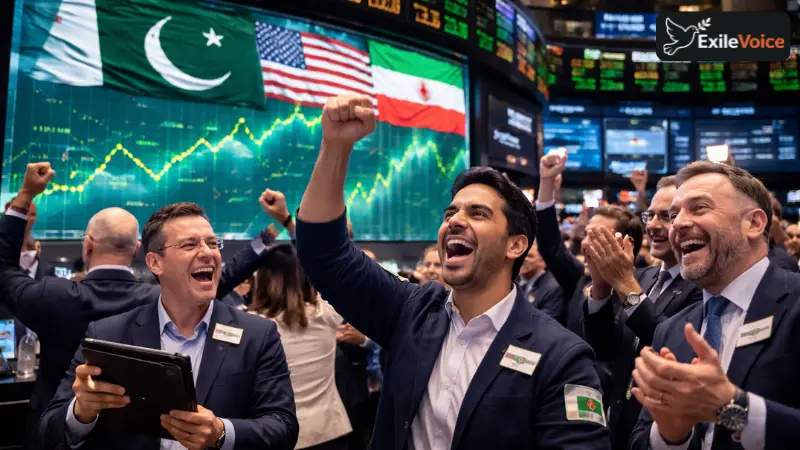
Ultimately, the global economy appears to be the most immediate winner. The S&P 500 and other major indices surged upon the news, reflecting a collective sigh of relief from investors who feared a permanent closure of the Strait of Hormuz. However, the next two weeks will be the true test of whether this peace is sustainable. If the negotiations in Islamabad fail to address the underlying issues of regional proxy wars and nuclear proliferation, the current market optimism may be short-lived.