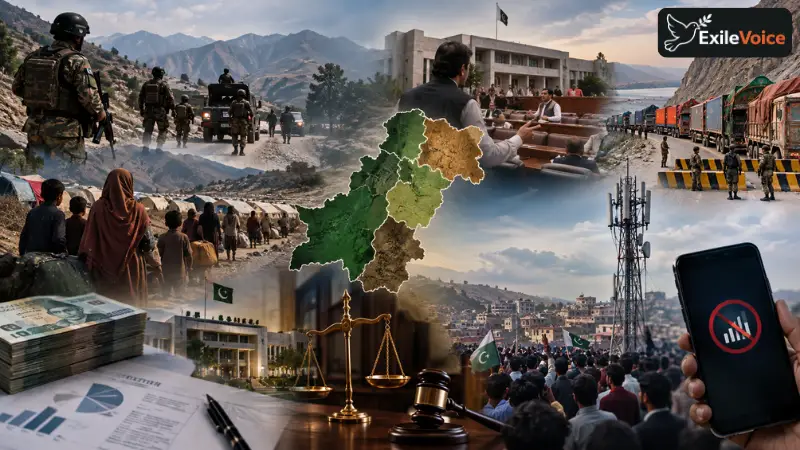
The political landscape in Azad Kashmir is currently defined by a high-stakes legal and tactical battle involving the Pakistan Tehreek-e-Insaf (PTI) and the regional judiciary. Recently, the Supreme Court of Azad Kashmir delivered a significant, albeit temporary, verdict that temporarily withdrew the election symbol of the "bat" from PTI and halted the High Court’s June 23rd ruling that had officially registered the party for electoral participation.
This development has sent ripples through the political spectrum, raising questions about whether PTI will be allowed to fully participate in the upcoming elections at the end of July. Analysts suggest this situation is part of a broader, orchestrated political narrative. There are two prevailing theories regarding this move: either it is a genuine judicial intervention sparked by opposing political factions, or it is a strategic "suspense" tactic designed to increase public engagement, creating the necessary electoral enthusiasm before eventually allowing the party to compete.
The current atmosphere in Azad Kashmir is described as intense, with heated disputes over party tickets and allegations of internal conflict within PTI’s ranks. Observers note that while the party's leadership is currently grappling with internal pressures, often referred to as a public "window-breaking display", the ultimate trajectory of their participation hinges on whether their leadership remains visibly active on the ground. If PTI leaders continue their efforts, it is widely expected that the legal obstacles will be cleared by the next hearing on July 20th. Ultimately, the situation highlights how political maneuvers in the region remain deeply influenced by overarching national dynamics, with the judiciary acting within a complex space of administrative and political oversight.