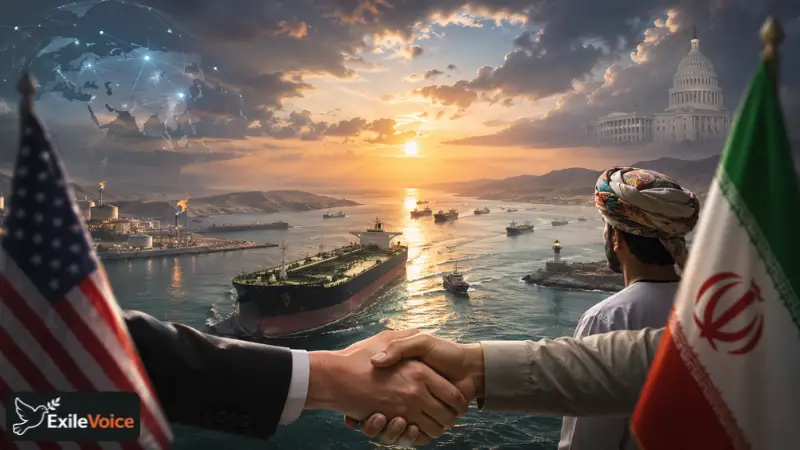
Recent diplomatic developments indicate that negotiations between Iran and Oman concerning the Strait of Hormuz are nearing finalization, potentially leading to the formal reopening of the critical maritime corridor. While international media outlets have reported that the framework could involve management and security fees paid to Iran for vessel transit, the implications extend far beyond regional logistics.
The shifting stance of Washington officials, including Secretary of State Marco Rubio and Treasury Secretary Scott Bessent, suggests a pragmatic recalibration by the administration. Despite prior assertions against concessions to Tehran, economic pressures and the imperative to stabilize global energy markets have driven a softening of absolute blockades. Observers note that domestic political considerations in the United States, particularly regarding inflation and fuel costs ahead of electoral cycles, heavily influence this diplomatic pivot. The prospective agreement underscores the delicate balance between enforcing international maritime law and maintaining macroeconomic stability through uninhibited oil flows.