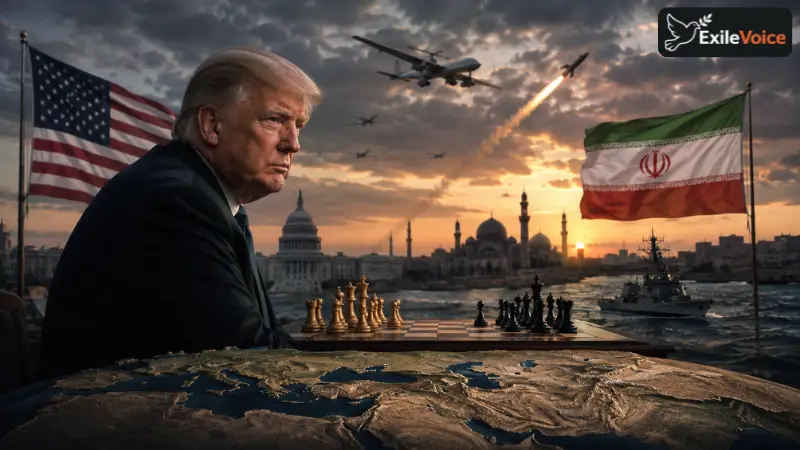
Recent developments in Washington and the broader Middle East have once again brought United States policy toward Iran into the global spotlight. Despite heightened rhetoric and advanced military preparations, United States President Donald Trump announced a suspension of planned military strikes against the Islamic Republic of Iran. This decision follows reports of regional engagements and requests from various Middle Eastern nations advocating for a diplomatic resolution.
The context surrounding this announcement involves a series of escalating events, including reported drone and missile activities near regional waterways and critical shipping lanes such as the Strait of Hormuz. Defense analysts and international publications noted that military forces and regional embassies were placed on high alert as tensions peaked. However, strategic advisories from the Pentagon emphasized the potential for prolonged conflict extending well into subsequent legislative terms, influencing the decision to pivot toward renewed diplomatic negotiations.
This recurring pattern of heightened military readiness followed by last-minute diplomatic pauses highlights the complex calculus driving international relations in the region. Observers continue to monitor whether these frameworks will successfully yield comprehensive agreements regarding maritime security and regional stability.