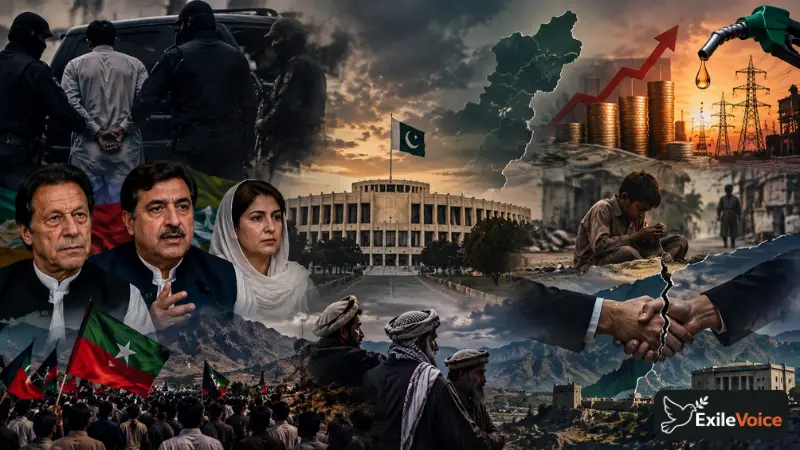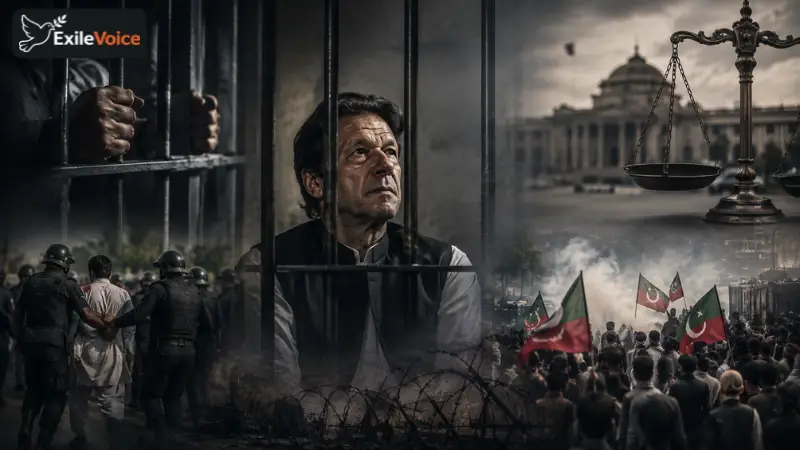
International scrutiny regarding Pakistan's political landscape and human rights record has intensified following recent evaluations by global watchdogs. Amnesty International has issued a forceful statement marking three years of continuous detention for former Prime Minister Imran Khan. The report highlights severe violations of due process, citing a lack of fair trials, restricted family visitations, prolonged solitary confinement, and the systematic denial of necessary medical treatment. This statement follows other international rebukes, including findings from the Commonwealth and the European Union regarding electoral irregularities, signaling a noticeable shift in how global institutions perceive the current administration's governance.
Despite prolonged legal hurdles, party bans, and heavy political suppression, independent international analyses indicate that public support for Imran Khan remains exceptionally resilient. Reports from global news outlets emphasize that state authorities have failed to diminish his political influence or dissolve his voter base. Concurrently, domestic politics are marked by internal friction and strategic diversions. High-level political maneuvering, institutional friction between the executive branch and regulatory bodies, and shifting alliances within the ruling coalition continue to dominate the capital. While officials grapple with internal administrative reviews and governance challenges, the broader disconnect between state policies and public sentiment underscores a deepening political divide across the country.