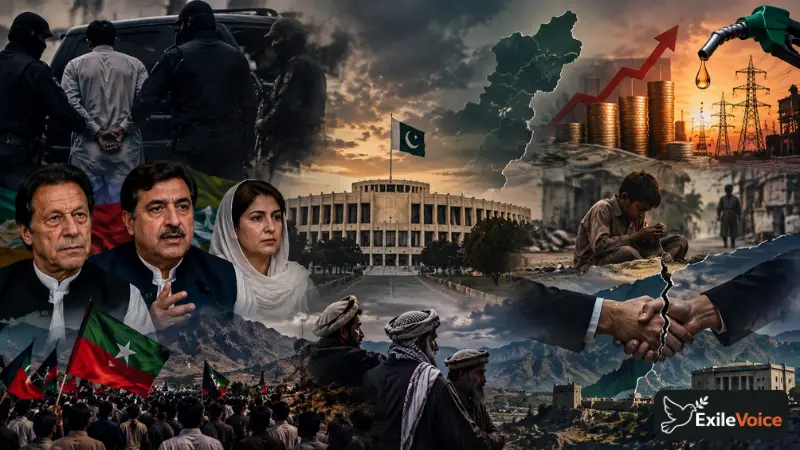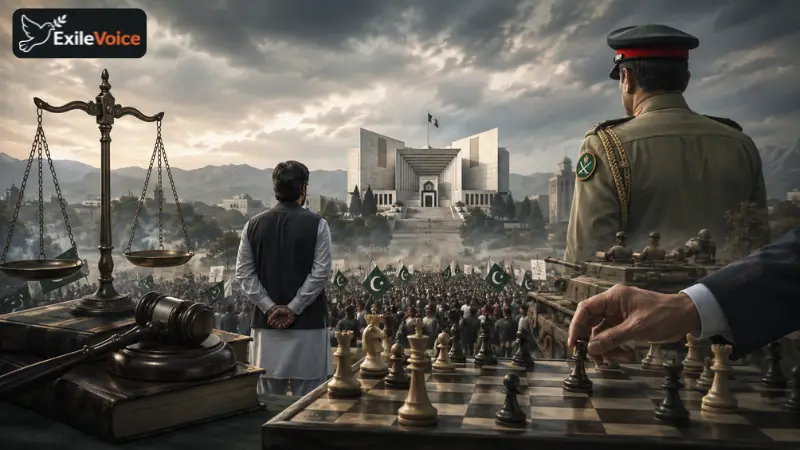
The political landscape of Pakistan continues to experience profound turbulence, characterized by deepening institutional friction and widespread public discontent. At the heart of this ongoing crisis is a complex interplay between civilian political forces, the judiciary, and the powerful military establishment. Over the past three years, the detention of former Prime Minister Imran Khan has served as a central flashpoint, intensifying political polarization across the country. Analysts and commentators note that these developments reflect systemic challenges in governance, where shifting alliances and administrative strategies repeatedly fail to address the core grievances of the populace.
In tandem with political standoffs, discussions regarding governance reforms have gained significant traction. Proposals surrounding administrative restructuring, including the creation of new administrative units and potential provincial subdivisions, have emerged in public discourse. While proponents argue that decentralized management could improve local governance and service delivery, critics view these maneuvers as tactical diversions from pressing national security and economic concerns. The debate underscores a broader struggle over political leverage and the allocation of administrative authority among federal and regional stakeholders.
Furthermore, economic and security pressures continue to test the resilience of the state apparatus. Security incidents in regions such as Balochistan highlight persistent operational hurdles, prompting authorities to implement stringent traffic and transit controls. Concurrently, socioeconomic vulnerabilities, exemplified by critical public health challenges in peripheral areas, demand urgent and coordinated administrative intervention. Addressing these multifaceted issues requires transparent dialogue, institutional accountability, and a renewed commitment to democratic principles to foster long-term stability and national cohesion.