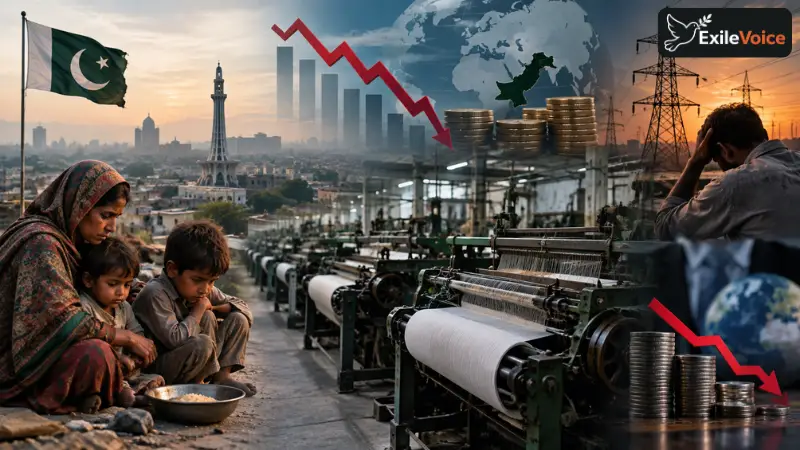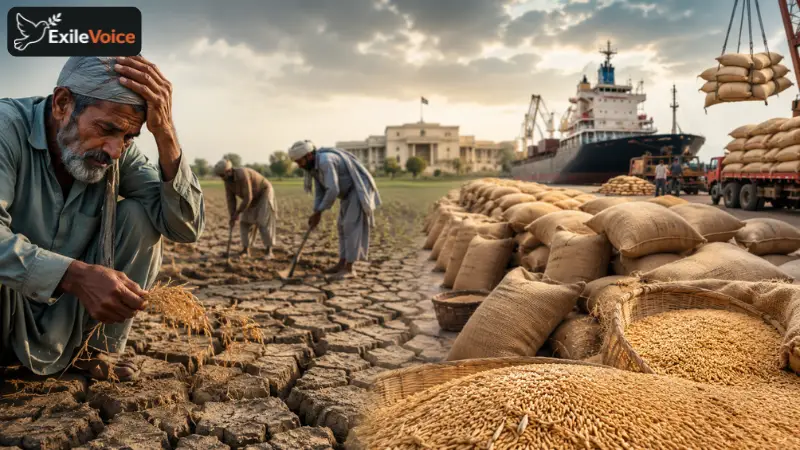
Pakistan is currently grappling with a severe agricultural crisis marked by wheat shortages and a significant drop in agricultural exports. Over the past three to four years, farming communities have faced immense policy pressure, culminating in government-mandated wheat procurement programs. Authorities and private companies acquired wheat from farmers at artificially suppressed rates, ranging between 2,500 and 2,800 rupees per maund, while market prices soared to approximately 5,000 rupees per maund.
This systematic exploitation led farmers to reduce wheat cultivation drastically. Consequently, major provinces like Sindh and Punjab have been forced to request massive wheat imports from the federal government, totaling an estimated three billion dollars. This reliance on foreign markets not only strains national financial reserves but also enriches intermediaries and select groups managing the imports.
Furthermore, agricultural exports have plummeted from eight billion dollars down to five billion dollars over the past two year. Despite these alarming figures, official economic reports frequently present manipulated growth numbers for the agricultural sector. Analysts argue that large-scale policy missteps, unfulfilled foreign investment promises, and top-down administrative controls have deeply destabilized Pakistan's food security and economic stability.