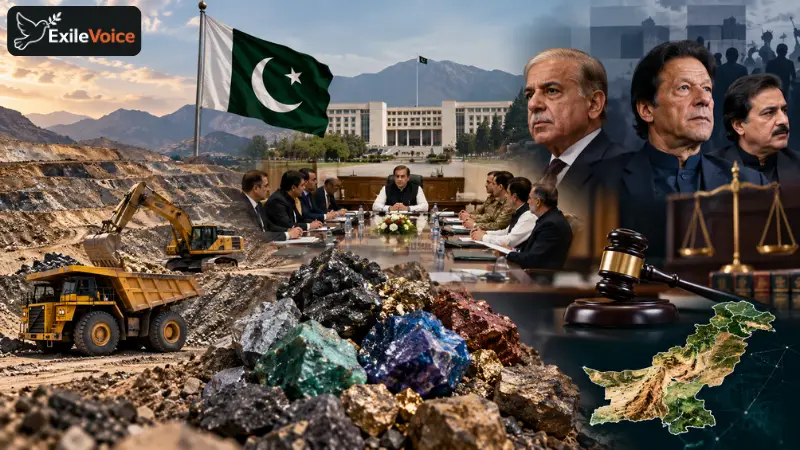
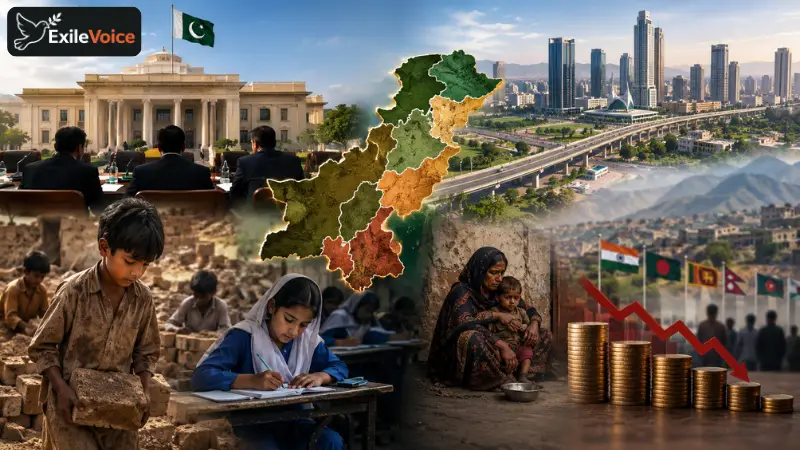
Pakistan continues to face severe economic challenges, underscored by its reliance on international financial institutions and recurring bailout requests. Recent diplomatic and financial maneuvers highlight a persistent structural deficit, with the country seeking substantial external support to stabilize its dwindling reserves. Analysts point out that despite successive administrations attempting short-term fixes, fundamental economic reforms remain unaddressed. High corporate taxation and aggressive fiscal measures have strained businesses and the middle class, leading to a decline in foreign direct investment and an exodus of skilled professionals. International financial monitors emphasize that temporary cash injections do not resolve the core structural issues. Sustainable economic recovery requires comprehensive domestic restructuring, broadening the tax base, and reducing state expenditures rather than relying solely on external financial assistance.
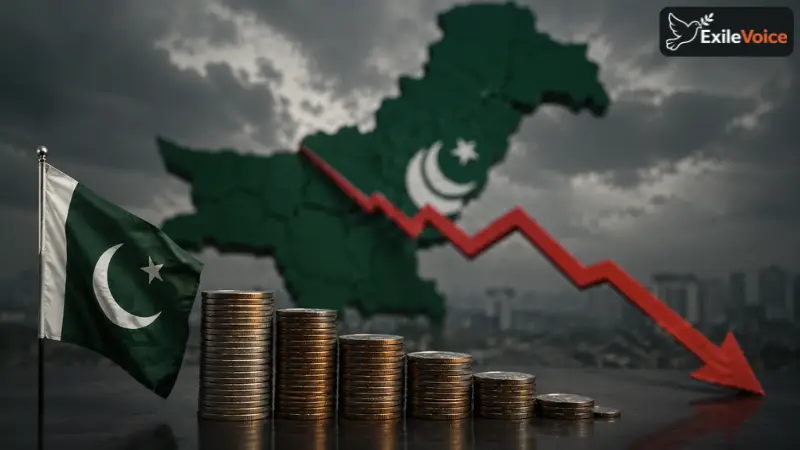
Pakistan Economic Crisis: Financial Strain, IMF Bailouts, and the 10 Billion Dollar Request
AI Quick Read
- Pakistan requested a significant stabilization fund from international partners to manage short-term fiscal pressures.
- High corporate tax rates and aggressive fiscal policies have negatively impacted foreign direct investment and domestic businesses.
- Sustainable recovery depends on comprehensive tax reforms, reduced government expenditures, and structural adjustments.
- Experts argue that short-term financial injections fail to address deep-rooted structural economic inefficiencies.