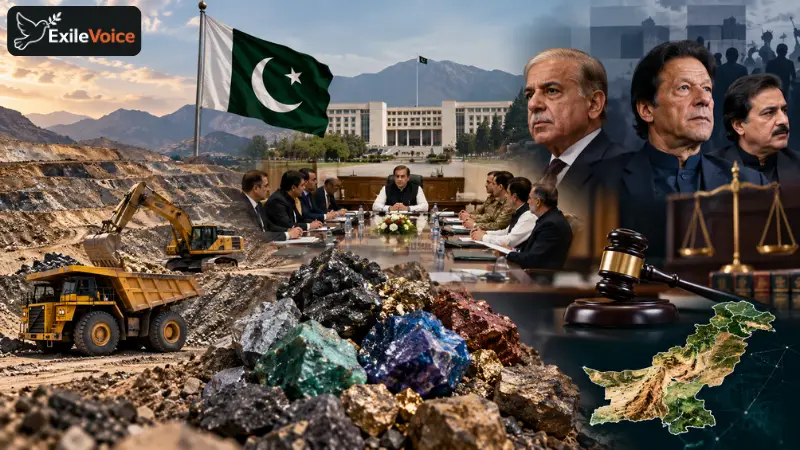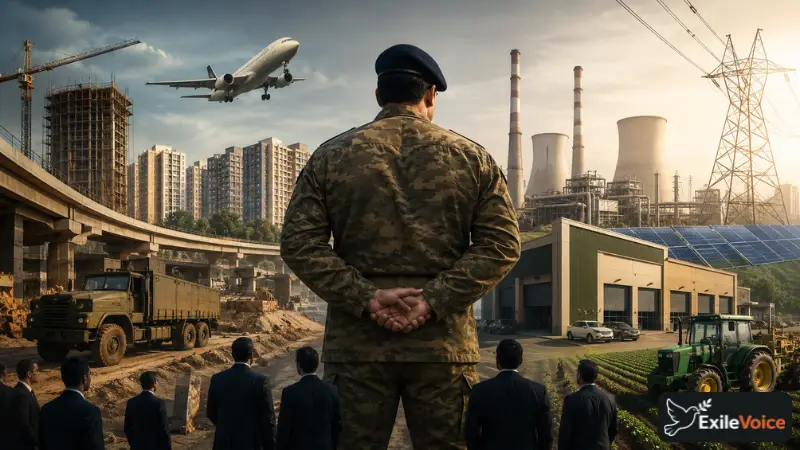
The expanding economic footprint of military-affiliated organizations in Pakistan has become a subject of significant public discourse. Recent policy decisions indicate that military-backed foundations are increasing their involvement in various commercial sectors, ranging from infrastructure development and manufacturing to energy generation. For instance, regulatory bodies have recently issued licenses for electricity generation and distribution projects within major housing developments, illustrating a broader trend of institutional diversification into utility services.
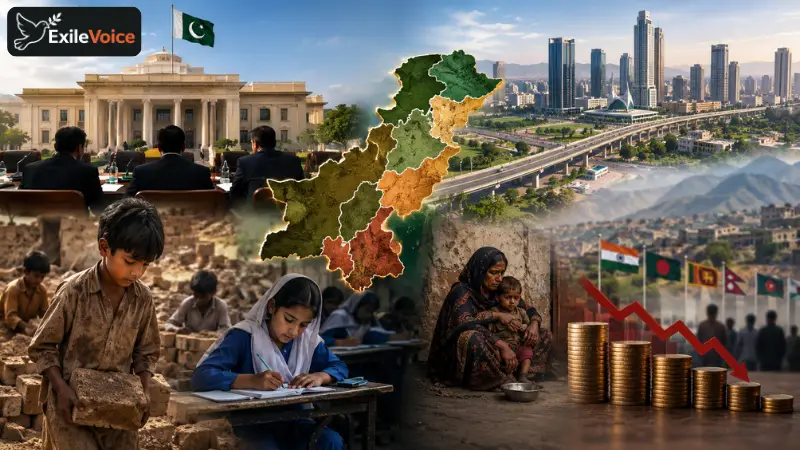
Critics and political analysts argue that this multifaceted commercial expansion creates structural imbalances within the national economy. When defense-affiliated entities participate extensively in commercial markets, private sector competitors often face regulatory and operational disadvantages. Furthermore, questions are frequently raised regarding the allocation of state resources and the transparency of large-scale procurement processes associated with these projects.
The centralization of authority and economic control under military-led administrative frameworks also impacts governance structures. Observers note that overlapping responsibilities between state administration and institutional commercial enterprises can dilute accountability. As these entities venture into new domains such as aviation, agriculture, and energy, civil society stakeholders continue to advocate for greater economic transparency, fair market competition, and a clear separation between defense mandates and commercial enterprise.