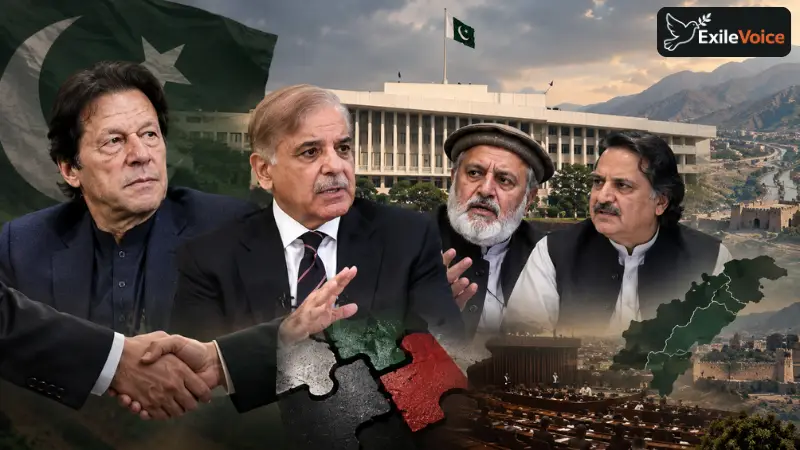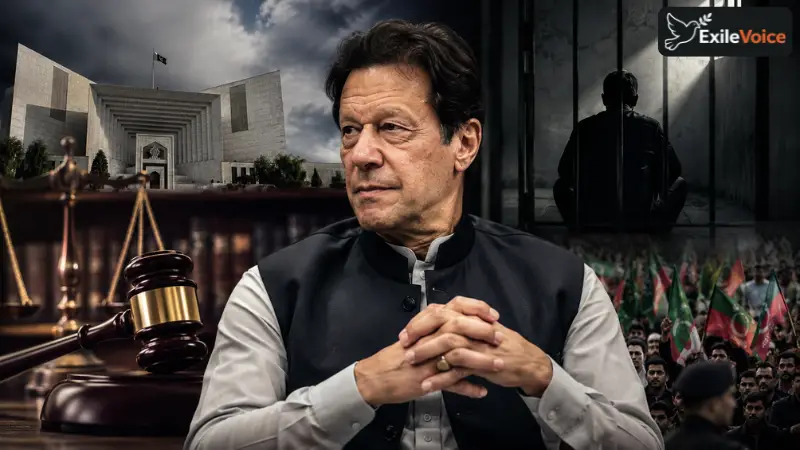
The political landscape in Pakistan continues to be defined by high-stakes legal battles, leadership controversies, and conflicting reports regarding the detention conditions of former Prime Minister Imran Khan. Recent legal and political discourse has centered heavily on issues of solitary confinement, restricted legal and family visitations, and concerns over medical access .
Adding to the complexity are divergent communications coming from within political leadership circles and legal representatives. While formal petitions filed in higher courts emphasize strict isolation and health concerns, subsequent statements from party leadership occasionally assert that conditions are stable, creating public confusion regarding the actual state of affairs. Senior legal reporters and analysts have pointed out that inconsistent messaging weakens the political strategy of the opposition, complicating efforts to demand transparent medical evaluations.
Concurrently, controversies extend to administrative practices at the provincial level. Discussions surrounding infrastructure naming conventions have highlighted tensions over personal branding versus institutional propriety. Historical precedents within political movements emphasize avoiding the naming of public assets after living political figures, reinforcing debates over administrative ethics.
As international observers and domestic stakeholders monitor these developments, the intersection of legal battles, health concerns, and political strategy remains a critical focal point for understanding the future trajectory of the nation's political sphere.