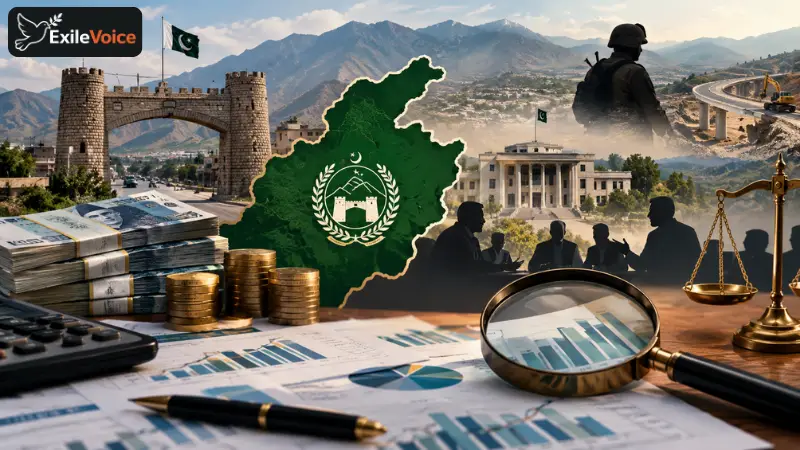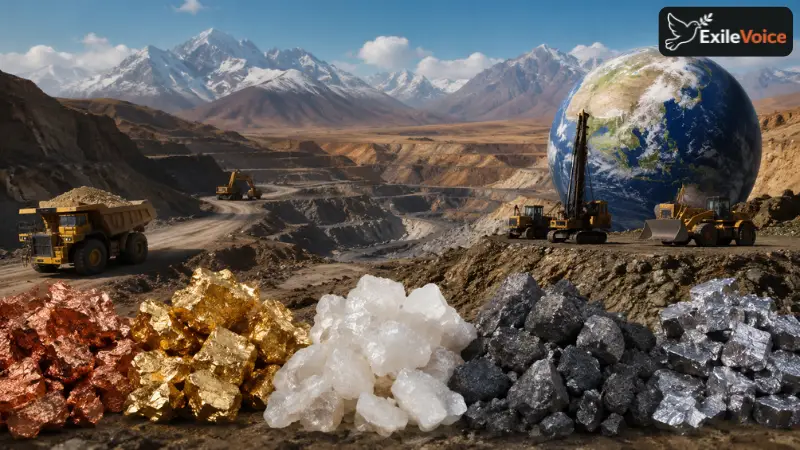
Pakistan sits atop an estimated $6 trillion in untapped mineral resources, primarily concentrated in the provinces of Balochistan and Khyber Pakhtunkhwa. These regions, which have long grappled with underdevelopment and governance challenges, now find themselves at the center of a burgeoning global race for "critical minerals", the essential raw materials required for modern defense, aerospace, and high-tech industries. As global powers like the United States and China compete for access to these strategic assets, Pakistan’s untapped reserves of copper, gold, lithium, cobalt, and rare earth elements have become focal points for international investment.
The competitive landscape for these minerals is intense, characterized by a shift toward securing supply chains for critical components used in advanced military hardware, such as the F-35 fighter jet and naval destroyer systems. For decades, Pakistan’s mining sector has suffered from a lack of indigenous development, leading to a reliance on foreign companies for extraction. Current arrangements reveal a complex web of influence: Chinese entities maintain significant control over projects like the Saindak copper-gold mine, while the Reko Diq project involves a consortium including Canadian, Saudi, and American interests.
The critical challenge for Pakistan is transitioning from being merely a supplier of raw materials to becoming a participant in value-added processing. Historically, raw minerals have been exported, leaving little room for domestic industrialization or job creation. The economic imperative now is to establish local processing plants, which would significantly increase the value of these exports and foster industrial growth. While international investments, such as those facilitated by the U.S. Ex-Im Bank, are beginning to target infrastructure and processing capabilities at sites like Reko Diq, the broader national strategy must focus on sustainable extraction, environmental stewardship, and ensuring that the economic benefits directly translate into local development. The race for critical minerals offers Pakistan a unique, albeit complex, opportunity to integrate into global industrial supply chains, provided the nation can overcome historical governance and structural hurdles.