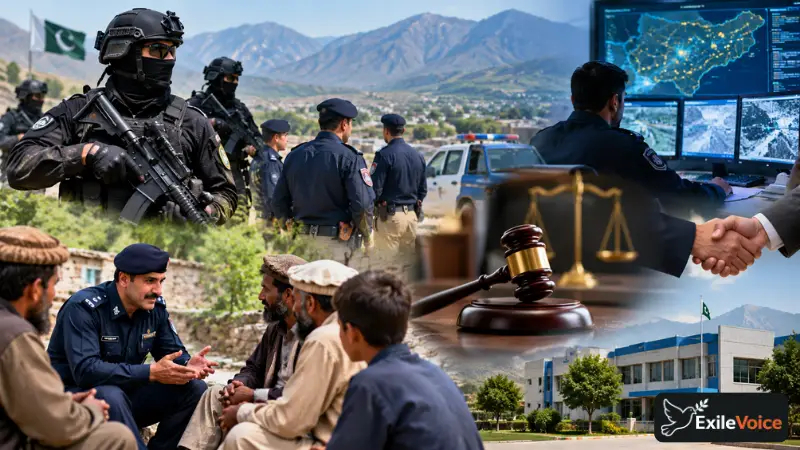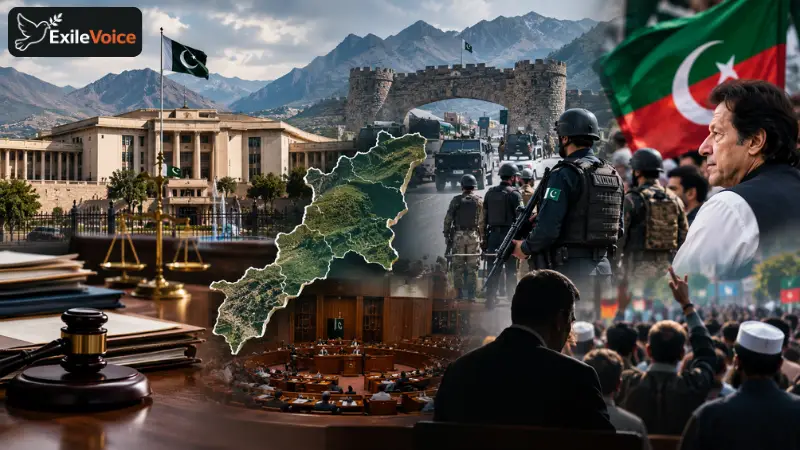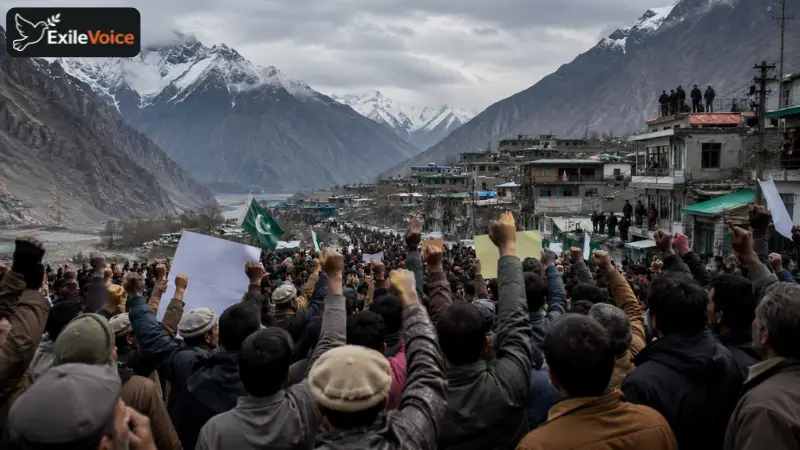
Gilgit-Baltistan, a region of immense strategic value to Pakistan, is currently teetering on the edge of a significant socio-political crisis. Often compared to Balochistan due to its critical mineral reserves, strategic border placement, and geopolitical significance, Gilgit-Baltistan is now facing internal pressures characterized by sectarian tensions and deep-seated economic grievances. For decades, the local populace, widely regarded as the most educated in Pakistan, has expressed dissatisfaction with systemic neglect, political marginalization, and economic policies that have failed to uplift the region.
The current atmosphere in the region is particularly volatile as the public demands greater rights and meaningful political representation. Unlike other parts of the country, where civil unrest has often been met with heavy-handed state responses, the situation in Gilgit-Baltistan presents a unique dilemma for the establishment. The region is home to a highly conscious and disciplined populace, including a significant Ismaili community affiliated with the Aga Khan Foundation, which plays a pivotal role in local development and infrastructure.
The upcoming electoral cycle has further exacerbated these tensions. With local elections approaching, there is a growing fear that electoral manipulation or state interference could trigger widespread agitation. Observers note that the region’s political culture, which historically favors pragmatic voting to ensure infrastructure, connectivity, and development, is shifting toward an anti-establishment rhetoric. The frustration is compounded by logistical challenges, such as the arbitrary clearing of snow that effectively blocks roads rather than maintaining them, which locals interpret as a form of state-sponsored obstructionism.
The failure of the federal government to address these concerns effectively risks not only local instability but also provides external actors, such as India, with ammunition to criticize Pakistan’s internal governance. As the regional dynamics evolve, the potential for a prolonged period of unrest, stretching through the peak tourist season, poses a serious threat to the local economy and the broader stability of the northern region.