The geopolitical environment in the Middle East remains volatile, with Iran currently facing a significant strategic squeeze. Recent events surrounding the Strait of Hormuz have signaled a pivot in how major global powers, particularly the United States, are managing regional security. For Iran, the situation has evolved from a position of relative leverage to one of increasing difficulty as international pressure mounts.
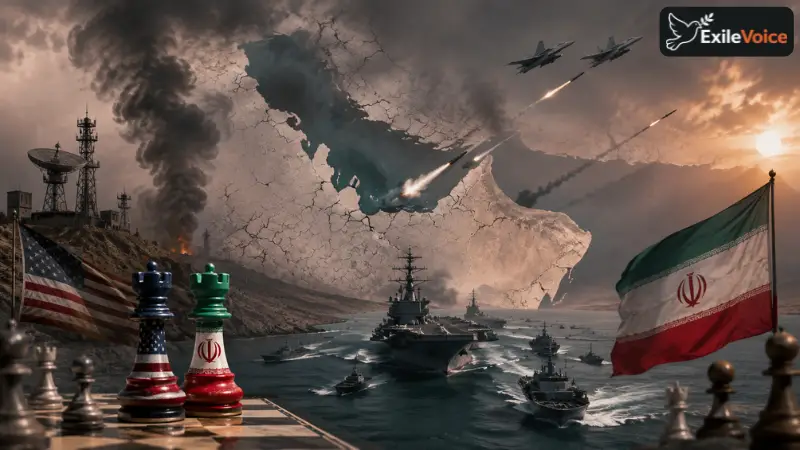
The core of this crisis lies in the strategic importance of the Strait of Hormuz. For years, Iran has utilized its ability to influence traffic through this critical maritime chokepoint as a bargaining tool. However, recent developments indicate that this leverage is being systematically challenged. Reports suggest that U.S. forces have conducted a series of precision strikes on Iranian military infrastructure, including communication centers, radar systems, and transport bridges, even in areas previously considered beyond the immediate range of such operations.
This tactical escalation appears designed to convey a clear message: Iran’s supply lines and military infrastructure are vulnerable. While Iran has maintained a defiant public stance, there are indications of internal frustration and a shifting calculus. The broader context of these strikes involves a delicate balance of regional diplomacy. The roles played by intermediaries such as Pakistan, Qatar, and Turkey have provided a platform for communication, but these efforts have simultaneously allowed the U.S. to redefine the parameters of engagement.
Furthermore, the economic dimension, specifically Iran’s struggle to maintain international legitimacy and circumvent sanctions, has left it with very little maneuvering room. While Iran has attempted to project power through regional proxy activities, these have had limited structural impact compared to the precision-guided capability of its adversaries. The fundamental challenge for Tehran is that its nuclear program, often used as a shield to obscure these underlying vulnerabilities, is no longer providing the expected insulation. As the situation develops, the coming days will be critical in determining whether Iran can negotiate a new regional status quo or if it will face further degradation of its strategic position.