Recent security events in Bannu and surrounding regions of Pakistan have brought to the forefront the enduring challenges of internal security and the accountability of state institutions. The government's announcement of military successes against alleged terrorist elements has been met with both domestic relief and skepticism. While operations to neutralize threats are crucial, questions regarding how these threats materialized in settled areas remain at the heart of public concern.
The narrative provided by official channels often highlights the efficiency of intelligence-based operations. However, this raises a fundamental question for citizens: if these groups were able to organize and establish themselves over an extended period, what was the state's intelligence and security posture during that time? Public frustration is often compounded by the perception that the state only acts decisively after a tragic loss of life, rather than employing proactive measures.
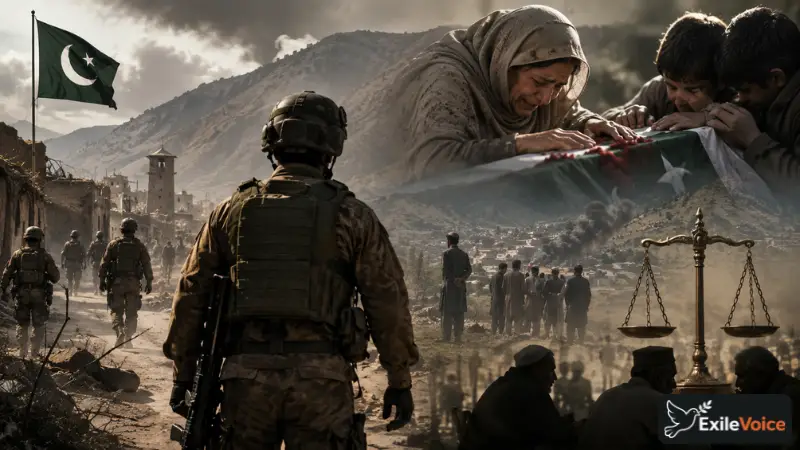
Furthermore, the issue of state support for the families of fallen security personnel has become a point of contention. Anecdotal reports of grieving families struggling to manage the basic logistics of honoring their fallen kin, despite the official rhetoric emphasizing the importance of "shuhada" (martyrs), highlight a disconnect between official discourse and the reality experienced by the victims' families. This dissonance undermines the government's efforts to cultivate national support for its security operations.
The situation is further complicated by the political discourse surrounding security, with various political actors suggesting that the responsibility for local defense might need to shift to tribal elders or local militias in some areas. Critics argue that such proposals, while potentially intended to empower local populations, could inadvertently signal a state’s inability or unwillingness to fulfill its constitutional duty to protect all citizens, thereby risking the delegation of state security functions to non-state actors. Effective counter-terrorism in Pakistan necessitates not only military capacity but also a high degree of transparency, proactive intelligence, and a consistent, reliable commitment to the welfare of those who bear the ultimate cost of this conflict.