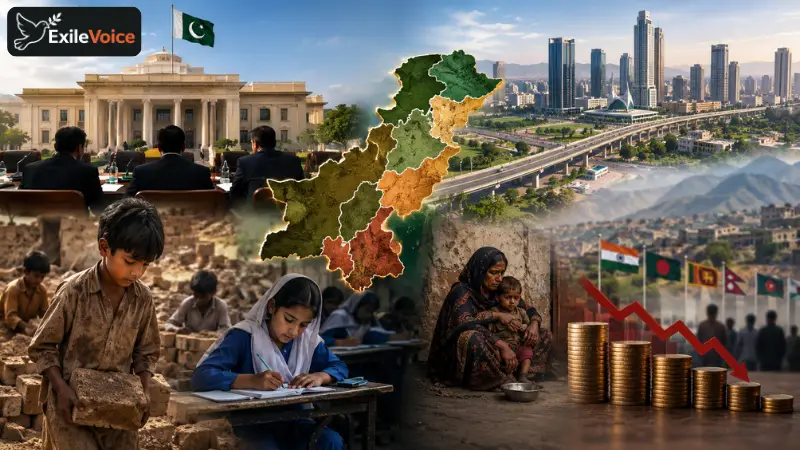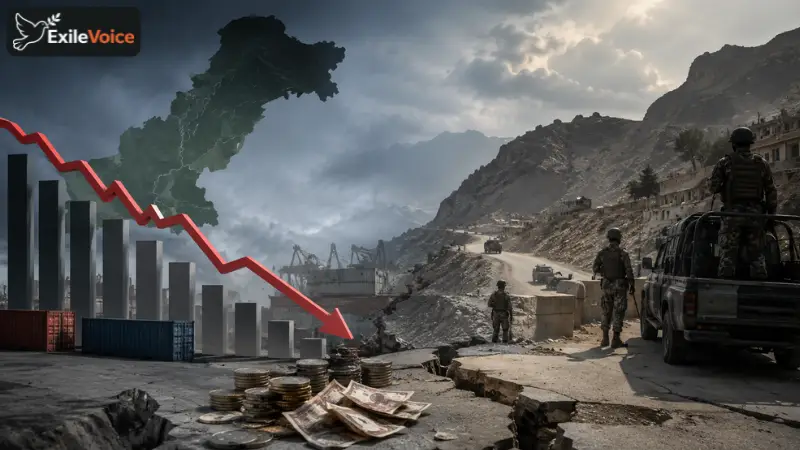
Pakistan’s economic and security environment is currently under intense scrutiny, as the nation grapples with declining exports and rising instability in key regions. Official reports indicate a concerning downward trend in exports, which fell by approximately 26% between June 2022 and June 2026. This decline stands in stark contrast to regional competitors, such as Vietnam, which have seen substantial growth in their export sectors over the same period.
Compounding these economic struggles are the significant expenditures on governance and luxury, which have drawn criticism from various segments of society. The reliance on seeking financial assistance from international partners, such as requests for oil credit facilities from Saudi Arabia, highlights the ongoing struggle to maintain fiscal stability. While official rhetoric often promises economic recovery, the gap between these promises and the reality of rising taxes and reduced output remains a major point of contention.
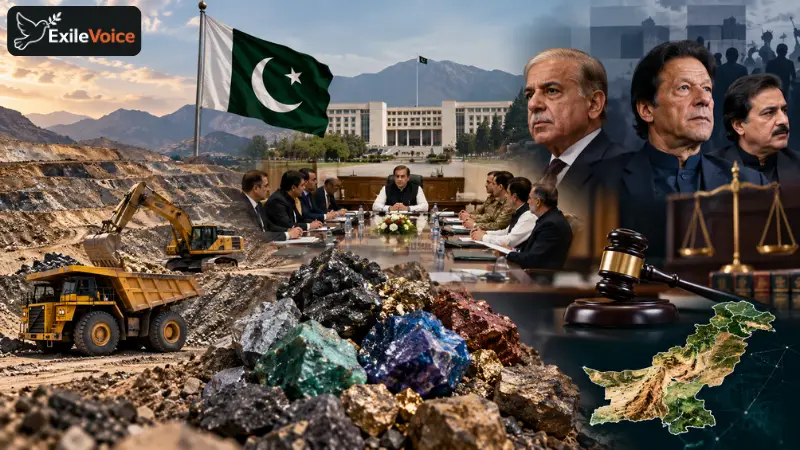
Simultaneously, the security situation is deteriorating across multiple fronts. In Balochistan, security concerns are threatening critical infrastructure projects. Reports from international sources suggest that Chinese-backed copper mining operations face potential closure due to persistent threats to logistical support and the safety of personnel. This instability is not confined to Balochistan; recent incidents in Khyber Pakhtunkhwa, including attacks on police convoys and stations, underscore a broader trend of violence affecting law enforcement and the general populace.
The disconnect between the government's focus on international diplomacy and the immediate need to address internal security and economic failures is becoming increasingly pronounced. Effective governance requires a shift toward addressing these foundational problems, rather than relying on tactical, short-term solutions that fail to address the root causes of national instability.