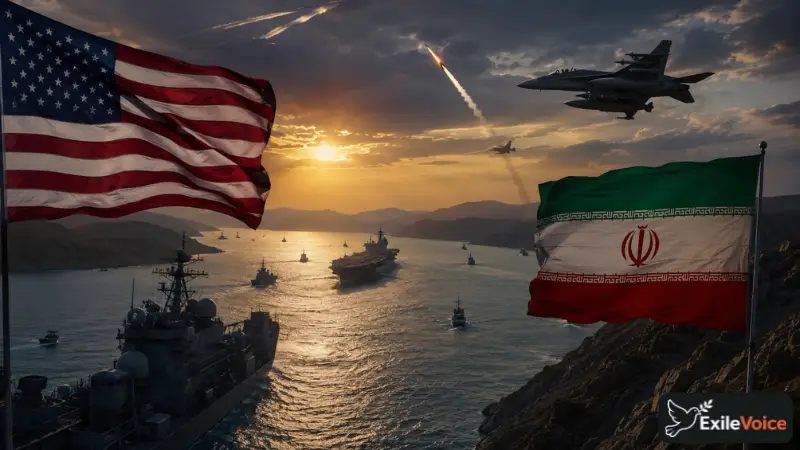
The geopolitical landscape surrounding the Strait of Hormuz has intensified significantly as recent developments suggest a potential shift toward a more aggressive military strategy. Observers and international analysts are closely monitoring the persistent military strikes conducted by U.S. Central Command, which have targeted critical Iranian infrastructure along the coastal belt. These precision strikes are reportedly aimed at neutralising communication centers, radar systems, naval facilities, and drone storage areas operated by the Islamic Revolutionary Guard Corps (IRGC).
The strategic objective behind these actions appears to be the creation of space for more complex military maneuvers, potentially including the physical landing of forces along the Iranian coastline. This evolution in tactics signals a departure from previous engagements, indicating that the control of the Strait of Hormuz has become an existential priority for regional actors. Iranian leadership, particularly figures such as the Speaker of the Iranian Parliament, has explicitly stated that the defense of this vital waterway is non-negotiable.
Simultaneously, the geopolitical ripples of this conflict are extending toward Saudi Arabia. Recent announcements regarding the expedited approval of a significant $2 billion arms package for Saudi Arabia suggest a hardening of defensive postures. This influx of precision weapon systems is designed to bolster Saudi capabilities in the face of regional threats, specifically those posed by the Houthis.
While international observers note that major regional powers seem to be adopting a wait-and-see approach, the underlying dynamics suggest a protracted test of strength. Analysts indicate that the current situation represents a critical juncture where diplomatic spaces are constrained by ongoing military posturing. As the U.S. and Iran continue to navigate this high-stakes environment, the risk of miscalculation remains high. The potential for the conflict to expand or for new alliances to emerge, particularly as Israel seeks to diversify its strategic partnerships in the face of shifting political sentiments in the West, highlights the complexity of the current regional security architecture.