

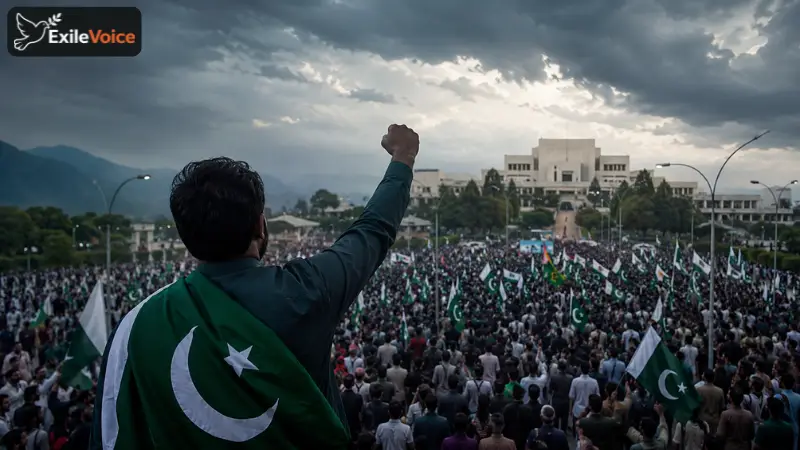
Pakistan’s political environment remains volatile as major political parties, particularly the Pakistan Tehreek-e-Insaf (PTI), continue to mobilize in response to ongoing challenges. With the three-year mark of Imran Khan’s imprisonment approaching on August 5, 2026, the PTI has announced plans for nationwide demonstrations and rallies. This mobilization is intended to reassert the party's position and highlight its grievances regarding the current political climate.
A significant point of contention remains the situation in Azad Kashmir, where local groups have been organizing protests and long marches to demand better governance and socioeconomic reforms. While there have been reports of back-channel communications between the Joint Awami Action Committee and government/military authorities, resulting in temporary delays of scheduled protests, the effectiveness of these negotiations remains a subject of intense debate. Critics question whether these delays will lead to substantive policy changes or merely serve to diminish the momentum of the grassroots movement.
Institutional challenges also permeate the current discourse. There is a palpable expectation within certain political factions that upcoming international human rights reports, particularly those from the European Union, will provide a critical assessment of the human rights situation in Pakistan. These reports are anticipated to influence the political narrative, though historical precedents suggest that official diplomatic positions often prioritize broader strategic and economic cooperation over individual human rights concerns.
Furthermore, the role of established political leaders and the influence of the political-military establishment continue to be central themes in public discussion. As various actors navigate these pressures, the country faces a complex balancing act. The pursuit of political stability is complicated by deep-seated systemic issues, the influence of regional geopolitics, and the ongoing struggle for democratic consolidation. The situation underscores the urgent need for a more transparent political process that addresses the aspirations of the public while maintaining institutional integrity.

