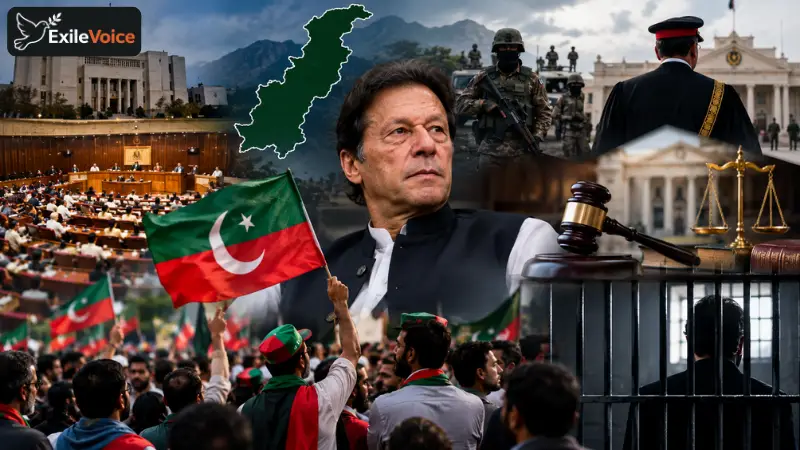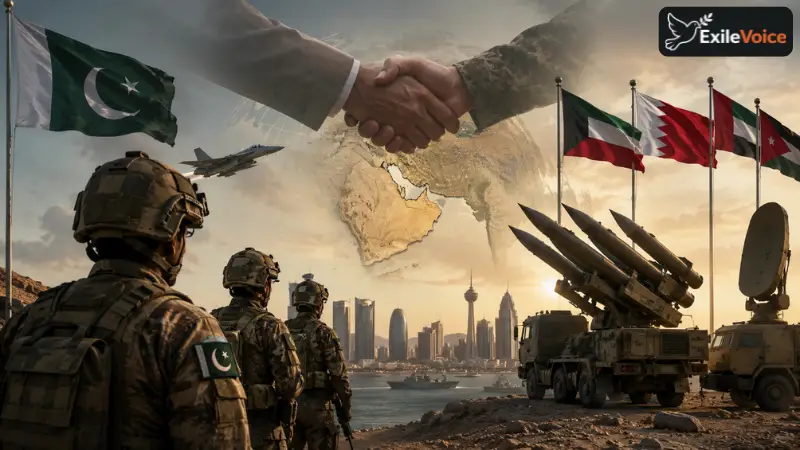
Pakistan’s military, historically characterized by its internal political role, is witnessing a significant shift in its geopolitical utility, particularly within the Middle East. As regional tensions escalate due to the ongoing conflicts involving various global and regional powers, several Gulf nations, most notably Kuwait, alongside Bahrain and Jordan, are actively seeking security partnerships with Pakistan. This demand stems from the perceived need for advanced defense capabilities, including air defense systems, ground personnel, and strategic military cooperation to bolster national security against regional threats.
This trend marks a distinct evolution from Pakistan's previous, often informal, military involvement in the region. While historically, Pakistani personnel have served in various capacities, ranging from pilot exchanges during mid-20th-century conflicts to advisor roles for regional monarchies, the current climate suggests a move toward formal, structured defense agreements. The model for these potential partnerships is the existing, robust mutual defense agreement between Pakistan and Saudi Arabia. Such agreements are viewed by Gulf states as critical deterrents, providing a sense of stability and strategic depth.
However, this increased demand presents a complex dilemma for Islamabad. While the export of professional military services offers potential economic and strategic dividends, it also heightens the risk of Pakistan being drawn into broader regional conflicts, such as the friction between the United States and Iran. The challenge for Pakistani leadership lies in navigating these delicate alliances, balancing the requirements of regional partners against the imperative of avoiding direct entanglement in localized conflicts that could escalate. Consequently, while the "product", Pakistan’s military capability, is in high demand, the strategic deployment of these assets remains a subject of intense deliberation and cautious policy formulation within the Pakistani security establishment.