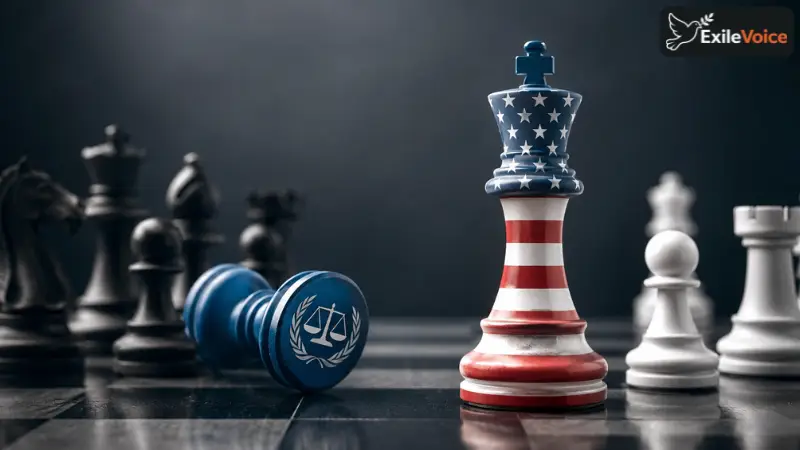
In a significant shift regarding international legal institutions, U.S. Secretary of State Marco Rubio has published a formal proposal articulating the American position on the International Criminal Court (ICC). The proposal advocates for the dismantling of the ICC, citing its perceived threat to U.S. sovereignty and national law. This move represents the culmination of long-standing friction between the U.S. and the ICC, which was established in 2002 to prosecute individuals for serious international crimes, including genocide.
The official justification provided by the U.S. Department of State centers on the concern that American officials and service members could face prosecution before the ICC for their actions, particularly referencing operations in Afghanistan and potential threats regarding Israeli officials post-2023. Despite these concerns, legal experts and international observers note that the ICC lacks independent policing powers and is heavily dependent on the cooperation of member states to execute arrests. Furthermore, the court’s own statutes include provisions that limit its jurisdiction if a country initiates its own credible domestic investigations into the same charges.
Political analysts interpret this initiative as a strategic move to insulate Israeli leadership, specifically Prime Minister Benjamin Netanyahu and high-ranking defense officials, from future prosecution, . By championing this stance, Secretary Rubio is seen as strengthening his political position within the U.S., particularly by aligning himself with the influential pro-Israel lobby ahead of the 2028 presidential election cycle.
The broader context of this policy shift involves a growing internal power struggle within the Republican party regarding the U.S. approach to foreign policy and interventionism. While the "America First" movement, associated with figures like Vice President J.D. Vance, has traditionally been skeptical of foreign entanglements, Rubio's stance against the ICC suggests a strategic prioritization of specific international alliances. As the U.S. continues to socialize this proposal with foreign governments, it faces a complex landscape of international legal standards and internal political pressures.