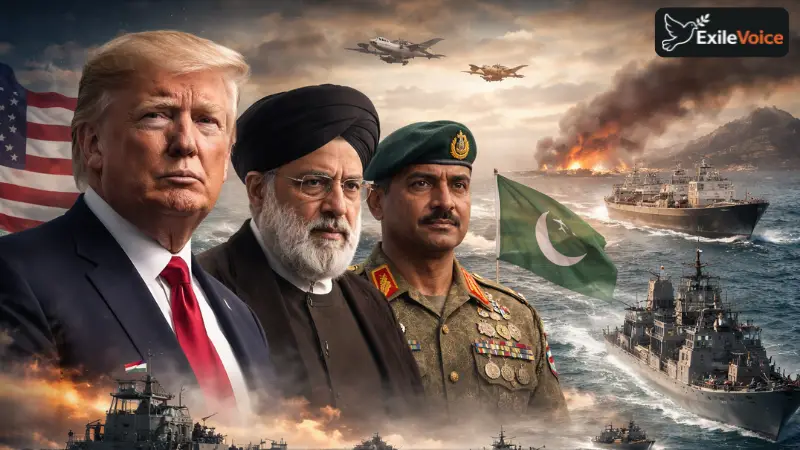
A seismic shift in global diplomacy occurred following President Donald Trump's recent social media announcements regarding the Strait of Hormuz. In a move that shocked the United Arab Emirates (UAE) and Saudi Arabia, Trump referred to the vital waterway as the "Strait of Iran," effectively acknowledging Iranian sovereignty or at least a dominant "right of passage" over the region. This terminology is not merely a semantic slip; it represents a significant departure from decades of international consensus that treats the strait as international waters. By thanking Iran for opening the passage and referring to it in such terms, Trump has signaled a willingness to negotiate directly with Tehran, bypassing traditional regional allies.
The Iranian response, delivered by Foreign Minister Abbas Araghchi, was more measured but strategically conditional. While the "Strait of Hormuz" (as Iran continues to call it) has been declared open for commercial traffic, this openness is explicitly linked to the ceasefire in Lebanon. The conditions set by Tehran include the passage being restricted to commercial vessels only, adherence to Iranian-assigned paths, and coordination with the Iranian military. This indicates that while the immediate threat of a global oil blockade has receded, the underlying tension remains managed by Iranian tactical control.
This "Trump-Iran" rapprochement has left traditional Western allies and NATO in a state of confusion. Trump’s public dismissal of NATO’s offer of help, telling them to "stay away" and labeling them "paper tigers", highlights a growing rift in the Western security architecture. Simultaneously, the involvement of Pakistani military leadership, specifically Field Marshal Asim Munir, as a mediator in these negotiations has been highlighted, suggesting that Pakistan is carving out a role as a pivotal diplomatic bridge between the U.S. and Iran.
However, the situation remains volatile. While Trump claims that Israel has been ordered to cease bombing Lebanon, labeling the current moment as a "great day for the world," Hezbollah has countered by stating they will not disarm. The geopolitical map is being redrawn, with the U.S. potentially trading traditional alliances for a direct, transactional peace with Iran to stabilize global oil prices and exit regional conflicts.