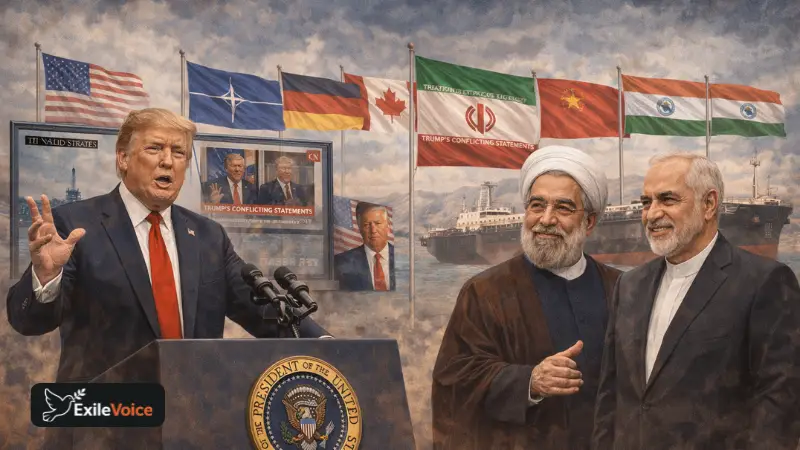
On the seventeenth day of the escalating conflict in the Middle East, the Trump administration appears to be navigating a period of significant strategic instability. Recent public appearances and interviews, including a widely circulated CNN segment, suggest a pattern of contradictory statements and "U-turns" regarding the United States' military objectives and its reliance on international allies. This perceived lack of a cohesive narrative has led to a noticeable decline in support from traditional Western partners.
The rift within the NATO alliance has become increasingly visible. Historically reliable allies, including the United Kingdom, Germany, France, and Canada, have expressed a reluctance to join the U.S.-led military coalition in the Strait of Hormuz. Even regional partners like Australia have shown hesitation, signaling a departure from previous decades of unified Western military intervention in the Middle East. This isolation is further compounded by domestic criticism within the U.S., where even traditionally supportive media outlets have begun to question the strategic endgame of the current campaign against Iran.
Contrasting with Washington's struggle for a unified front, Iran appears to be gaining a measure of global sympathy. By framing the conflict as a defense against external "Zionist and American aggression," Tehran has managed to maintain a level of diplomatic engagement that has surprised many observers. The symbolic arrival of oil shipments and the continued operation of regional trade hubs, despite military tensions, suggest that Iran’s "resistance" narrative is resonating with certain international audiences and emerging economies that are wary of further regional destabilization.
Geopolitical analysts compare the current situation to previous periods of leadership crises, noting that when a superpower fails to consult its allies or provide a clear legal and ethical basis for war, it risks a permanent loss of "goodwill." The Trump administration's "America First" approach, while popular domestically, is now being tested by the realities of a multipolar world where allies are no longer willing to provide "blank check" support for unilateral military actions.