In a startling and unprecedented move that underscores the depths of Pakistan’s economic crisis, a mid-level officer of the Federal Board of Revenue (FBR) has reportedly written a formal letter to the Prime Minister’s Office seeking "permission to be corrupt." This act, while seemingly cynical, serves as a poignant and desperate protest against the spiraling cost of living that has rendered the salaries of even high-ranking civil servants insufficient for basic survival.
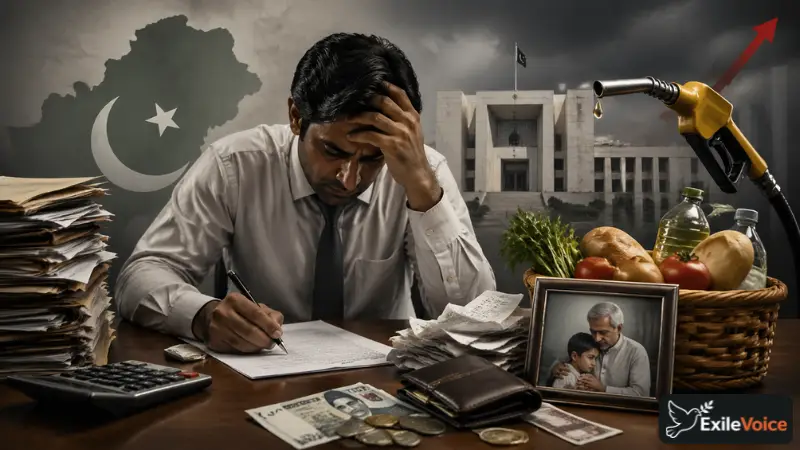
The officer, a CSS-qualified professional with four years of service, detailed a monthly take-home salary of roughly 122,922 PKR. In his letter, he broke down a budget that highlights the impossible arithmetic facing the middle class: 50,000 PKR for rent, 25,000 PKR for food, and nearly 30,000 PKR for utilities and fuel. After these bare essentials, the officer is left with virtually nothing to cover the education of his children or the maintenance of his household, leading to a mounting debt of 78,000 PKR. He noted that he currently relies on his retired father to bridge the gap, a reversal of the traditional expectation that a serving officer should support their elders.
The professional insight here is not about the morality of corruption, but the systemic failure of the state’s compensation structure. When the state fails to provide a "living wage" to those tasked with collecting the country’s revenue, it creates a structural incentive for graft. The officer’s ultimatum, to remain honest only until March 31, is a symbolic deadline reflecting the breaking point of the Pakistani bureaucracy. This story breaks the facade of "all is well" within the administrative machinery, revealing that the "white-collar" class is now slipping into poverty.
The response from the administration has not been a revision of pay scales but rather a further tightening of the economic noose. Following the circulation of this letter, the government announced a significant hike in petroleum and diesel prices, increasing both by over 26 PKR. This move, aimed at meeting fiscal targets, further erodes the purchasing power of the very employees meant to implement these policies. The irony is stark: a state that demands absolute integrity while simultaneously making it financially impossible to maintain.