A new controversy is brewing in Pakistan’s agricultural heartland as the Punjab government introduces a radical shift in wheat procurement policies. By allowing 11 private companies to enter the market with significant state-backed advantages, the government has sparked concerns regarding transparency, market manipulation, and the welfare of small-scale farmers.
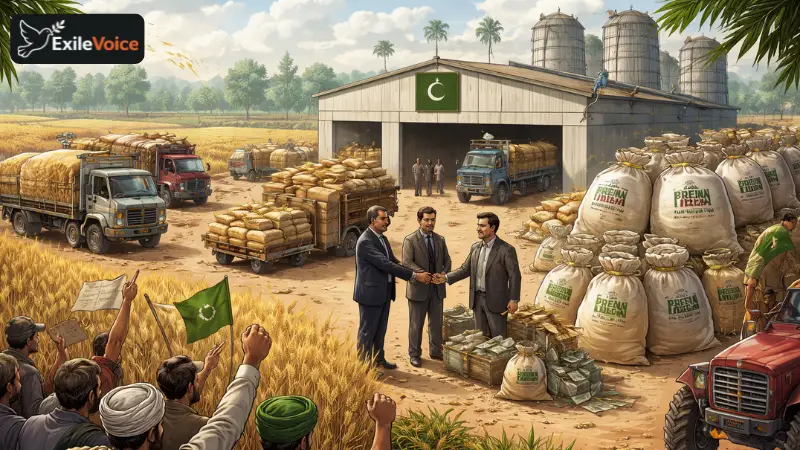
Under the new arrangement, these private entities are granted access to 280 government warehouses free of charge. Additionally, the state is providing 11 billion PKR worth of "bardana" (packaging material) for free. Perhaps most controversially, the government has committed to covering 70% of the loans taken by these companies to purchase wheat and is offering a guaranteed 16% profit margin for as long as the grain remains in storage.
Critics argue that this model represents a transfer of public wealth to private hands. By using government infrastructure and taxpayer-funded subsidies to guarantee private profits, the policy risks disenfranchising the very farmers it is supposed to protect. There are already reports and fears among the farming community that the free packaging material will not reach the actual growers, instead being diverted through middlemen or corporate agents.
This procurement scandal is compounded by allegations of conflicts of interest, with reports suggesting that some of the participating companies have ties to high-ranking government officials. The political opposition has called for a mobilization of farmers to protest these measures, labeling them as "open corruption" designed to benefit an elite mafia at the expense of the rural economy.
As the harvest season progresses, the effectiveness of this policy will be judged by the price farmers receive for their crop and the eventual price of flour for the urban consumer. If the private sector fails to pass on the benefits of state subsidies, the Punjab government may face a significant backlash from a vital electoral demographic.