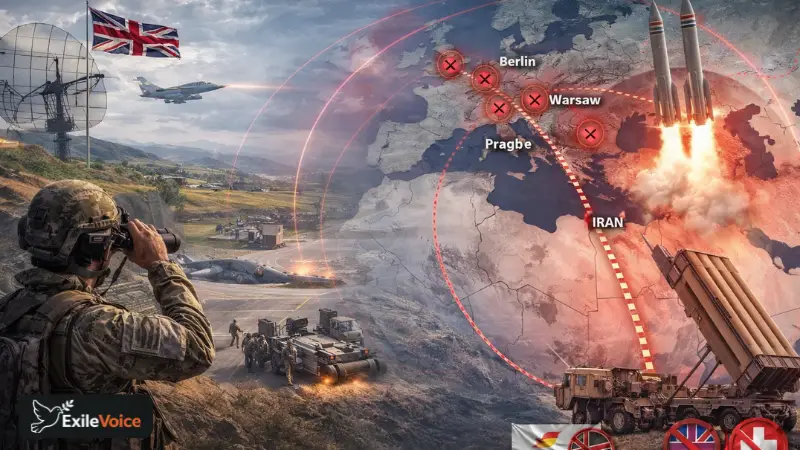
The recent unveiling of Iranian missile technology capable of reaching a distance of 4,000 kilometers has sent shockwaves through European defense circles, particularly in the United Kingdom. While the global community has long focused on Middle Eastern regional security, the technical demonstration of this extended range shifts the potential theater of conflict directly into the heart of Europe. A startling revelation emerging from this crisis is the relative lack of a localized, high-tier missile defense system within the UK, unlike the multi-layered "Iron Dome" or "Arrow" systems seen in Israel.
Analysis from Sky News and other defense-centric outlets suggests that while the UK possesses sophisticated tracking and early warning capabilities, it lacks the immediate interceptor infrastructure to neutralize long-range ballistic threats over its own soil. Traditionally, the UK has relied on its geographic distance and NATO’s collective security umbrella as a primary deterrent. However, with Iran’s missiles now theoretically capable of reaching London, the assumption of geographic safety is being replaced by a frantic reassessment of domestic air defense.
Simultaneously, a scandal is brewing regarding the UK’s tactical involvement in the ongoing conflict. Despite official public statements emphasizing a "defensive only" posture, investigative reports indicate that rural airfields across the British countryside are being utilized to load American bombers with heavy ordnance destined for Iranian targets. This discrepancy between diplomatic rhetoric and military reality has not gone unnoticed by Tehran, which has issued stern warnings to London regarding its participation in "offensive operations."
The complexity of the situation is further heightened by the stance of regional allies. Cyprus has explicitly prohibited the use of British sovereign bases on its island for strikes against Iran, signaling a significant rift in Western military coordination. Furthermore, Switzerland has implemented a ban on arms sales to the U.S. intended for use in this specific theater of war. These developments suggest that the international consensus required for a sustained military campaign is fragmenting, leaving the UK and the U.S. in a precarious strategic position. As energy prices continue to fluctuate due to Iran’s refusal to release oil reserves, despite the U.S. temporarily lifting sanctions, the cost of this security gap is becoming both a military and an economic burden for Europe.