The recent decision by the United Arab Emirates (UAE) to withdraw from the OPEC and OPEC+ alliance marks a watershed moment in Middle Eastern diplomacy and global energy economics. Historically, OPEC has functioned as a cohesive unit, primarily led by Saudi Arabia, to regulate oil supply and maintain price stability. However, the UAE's departure signals a profound divergence in national interests between two of the region's most influential powers.
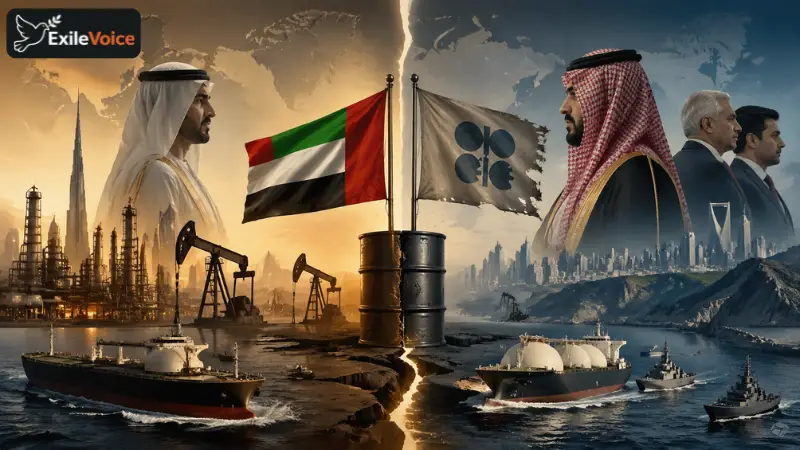
At the heart of this withdrawal is a growing economic and strategic friction between Abu Dhabi and Riyadh. While Saudi Arabia remains committed to production quotas to sustain higher price floors, the UAE has invested heavily in increasing its production capacity. Remaining within OPEC would mean these investments sit idle due to restrictive quotas. By exiting, the UAE gains the autonomy to monetize its resources at a time when global oil prices are elevated, providing a necessary boost to its domestic economy which has faced pressures from regional conflicts.
Furthermore, this move transcends simple economics. Political analysts observe a widening rift in the strategic objectives of the two nations. While Saudi Arabia has been strengthening its ties with Pakistan, the UAE has notably pivoted toward deeper cooperation with India and Israel. This realignment suggests the emergence of new power blocs in the Middle East. The UAE’s desire for a more independent foreign and economic policy is now being manifested through its exit from traditional alliances.
The global market reaction was immediate, with oil prices in the U.S. market experiencing significant volatility following the announcement. The exit of such a major producer threatens the very foundation of OPEC’s market-controlling mechanism. If other nations follow suit or if the UAE significantly floods the market with supply, the era of coordinated oil pricing may face its most significant challenge yet. This development also carries heavy implications for the ongoing tensions regarding the Strait of Hormuz, as the UAE seeks alternative routes and potentially more aggressive international intervention to ensure maritime security for its increased exports.