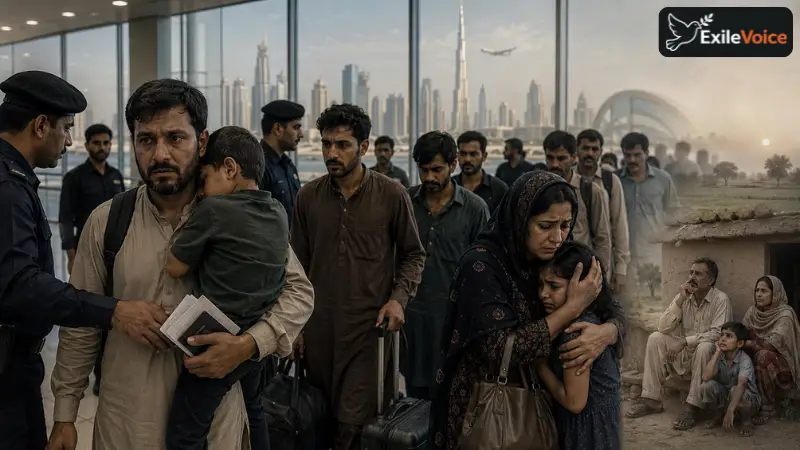
A significant humanitarian and diplomatic crisis is unfolding as reports emerge of a widespread crackdown on Pakistani nationals residing in the United Arab Emirates (UAE). Recent investigative reports, including a prominent feature by the New York Times, have highlighted a disturbing trend where hundreds of Pakistanis are being summarily deported. In one specific instance, a single village near Kohat, Khyber Pakhtunkhwa, has received over 900 individuals who were forced out of the UAE in a span of just a few weeks.
The stories shared by those affected paint a picture of sudden and systemic removal. Many deportees report being apprehended at their workplaces or homes without prior notice or the opportunity to settle their affairs. Accounts describe individuals being called out of meetings by managers, only to be met by immigration or police officials. They were reportedly denied the chance to collect personal belongings, withdraw savings from bank accounts, or liquidate properties they had built over decades of service in the Gulf nation. This abruptness has left thousands of families, who were dependent on these remittances, in a state of financial ruin and emotional trauma.
A concerning aspect of this crackdown is the allegation of religious and sectarian profiling. A significant number of those deported belong to the Shia community, leading to claims that their identity played a role in their selection for deportation. While the official stance from the host country often cites visa irregularities or legal violations, the scale and targeted nature of these actions suggest a deeper geopolitical shift.
Domestically, the response from the Pakistani government has drawn sharp criticism. Rather than advocating for the rights of its citizens abroad, the Ministry of Foreign Affairs and the Ministry of Interior have issued statements dismissing the reports as "fake news" or "social media rumors." Official communications maintain that deportations only occur due to legal violations and that there is no policy targeting specific sects. This perceived lack of support from the home government has left the affected individuals feeling abandoned by the very state meant to protect them.
The economic impact of this crisis cannot be overstated. With approximately 2 million Pakistani households connected to the UAE, a large-scale deportation drive threatens to destabilize the national economy. These workers contribute significantly to Pakistan’s foreign exchange reserves through remittances. The loss of livelihood for thousands of skilled and unskilled workers, coupled with the seizure of their assets in the UAE, represents a massive setback for the country’s struggling financial landscape.