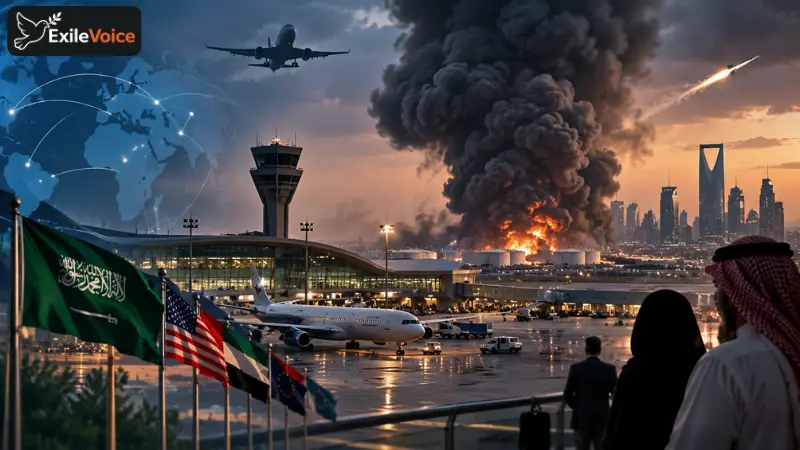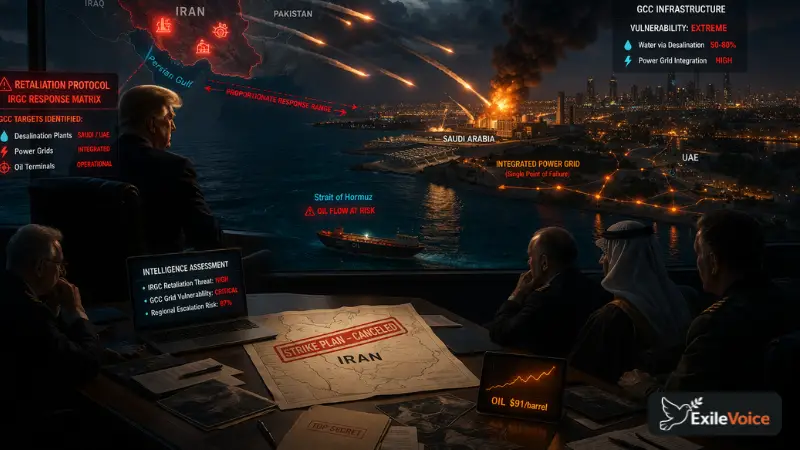
The geopolitical landscape in the Middle East has reached a critical inflection point following President Donald Trump’s decision to cancel a planned military strike on Iran’s primary power infrastructure. This move, characterized by many as a tactical retreat or "surrender," reflects a deep-seated realization within the U.S. establishment regarding the potential for uncontrollable regional escalation. The threat from the Islamic Revolutionary Guard Corps (IRGC) to launch a "proportionate response" against Gulf Cooperation Council (GCC) nations was a decisive factor in this shift.
Analysts point out that while Iran’s power grid is decentralized, the infrastructure of GCC countries, particularly Saudi Arabia and the UAE, is highly integrated and vulnerable. With Saudi Arabia relying on desalination plants for over 50% of its water and some Gulf states up to 80%, any retaliatory strike on these facilities would cause an immediate humanitarian and economic catastrophe. The integration of these grids means that a single targeted strike could plunge entire nations into darkness for days, a risk that the U.S. intelligence community and regional allies were unwilling to take.
Furthermore, the domestic situation in the United States played a significant role. With 26 March marking a period of intense pressure on American energy markets, the administration faced a reality check: a conflict in the Strait of Hormuz would send oil prices skyrocketing, further destabilizing the U.S. economy. The decision to pull back highlights a recurring pattern in the current administration's foreign policy, aggressive posturing followed by a search for a face-saving exit.
Iran, on the other hand, appears to have held its ground despite significant military degradation over the past weeks. The "wounded gladiator" imagery used by observers describes a state that, while physically damaged, remains ideologically unbowed. Tehran’s insistence on a "self-respecting deal" rather than unconditional surrender has forced Washington to reconsider its "maximum pressure" tactics. The current five-day pause in hostilities is less a peace treaty and more a strategic recalibration, as both sides look for terms that can satisfy their core national interests without leading to a total regional conflagration.