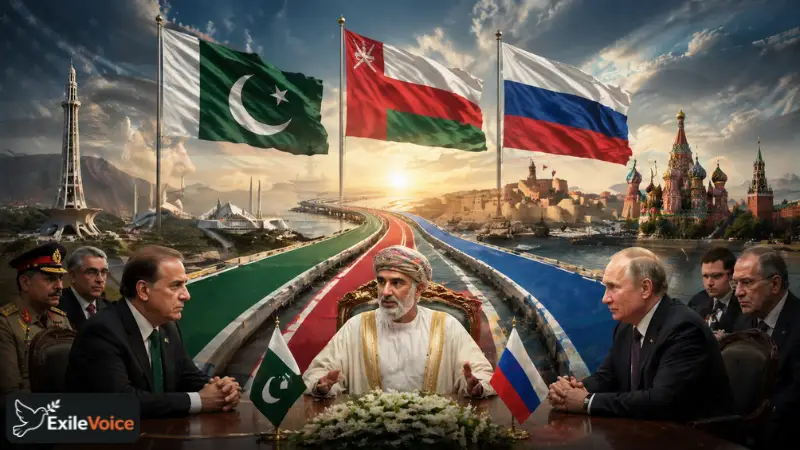
The architecture of Middle Eastern diplomacy is undergoing a significant transformation, moving away from a single-bridge model toward what is now being called the "Three-Lane Highway to Peace." For months, Pakistan held a unique position as the primary "bridge" or messenger between Washington and Tehran. However, as the conflict drags into a deadlock, new regional players have emerged to diversify the mediation landscape.
The current diplomatic framework now includes three distinct "lanes" represented by Pakistan, Oman, and Russia. This trilateral involvement allows Iran to adjust its messaging and objectives depending on the channel it utilizes. Oman, a historic neutral actor, was central to the February negotiations, while Russia played a pivotal role in the "Midnight Hammer" ceasefire earlier this year. Pakistan remains the most active "messenger" due to its geographic proximity and deep-seated ties with both the Gulf monarchies and the Iranian leadership.
Despite this newfound diplomatic utility, Pakistan faces significant internal contradictions that threaten its reputation as a peacemaker. Recent reports from international news agencies including Reuters, the BBC, and Al Jazeera have highlighted a controversial strike on Jalaluddin University in Kunar, Afghanistan. While the Pakistani government has issued a flat denial, calling the claims "fake news," the widespread reporting of civilian casualties in an educational facility has created a PR nightmare for Islamabad.
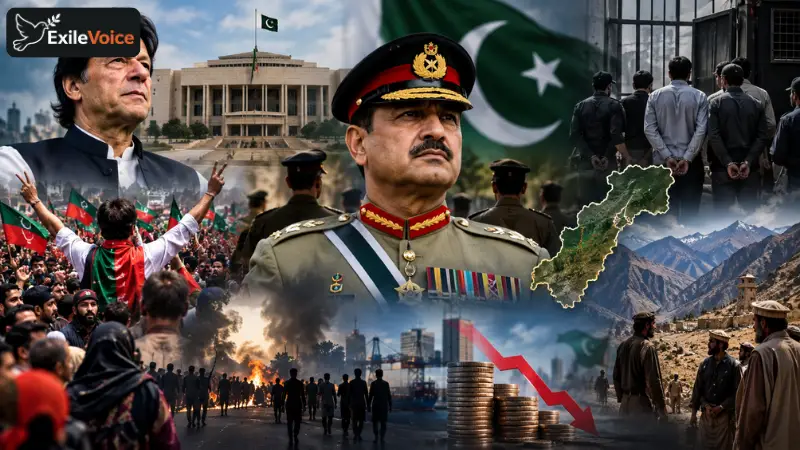
Analysts are questioning the logic behind such a strike at a time when Pakistan is marketing itself as an "indispensable mediator." Influential think tanks like the Council on Foreign Relations (CFR) have noted that while Pakistan has made itself useful to both Washington and Beijing, it remains a state defined by military dominance and internal repression. The "indispensable mediator" label is thus a double-edged sword; Pakistan must reconcile its external role as a stabilizer with its internal and border-level instabilities if it hopes to maintain its standing on the global stage.