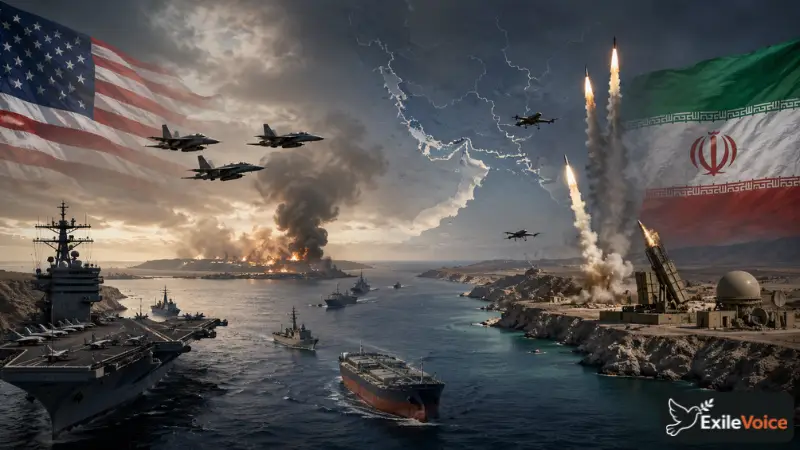
The geopolitical landscape between the United States and Iran has deteriorated rapidly over the last 48 hours, signaling the apparent collapse of the peace process initiated in April 2026. Despite earlier efforts to establish a framework for stability, including a 14-point Memorandum of Understanding (MoU) supported by nations like Pakistan, Qatar, and Turkey, the situation has escalated into direct conflict.
Central Command (CENTCOM) has made its objective clear: to permanently dismantle Iran's capability to control or close the Strait of Hormuz. Consequently, US forces have intensified strikes against Iranian naval centers, missile sites, drone facilities, and radar infrastructure along Iran's southern coastline. The strategic aim appears to be the total neutralization of Iran's leverage in this critical maritime chokepoint. By removing Iran's ability to threaten global energy shipping, the US aims to render Iranian leverage void, effectively sidelining Tehran’s bargaining power before any future formal negotiations.
Analysis suggests that the recent "peace process" may have been a calculated tactical pause by the United States to gain time, shift public focus away from the conflict, and prepare for this renewed offensive. Meanwhile, Iran faces immense pressure to protect its military assets, including its missile program and regional allies, while simultaneously avoiding a complete naval blockade that would cripple its economy. The broader regional response has been muted, with key Gulf nations condemning Iranian retaliatory actions while largely ignoring US strikes, leaving Iran increasingly isolated in its diplomatic and military defense.