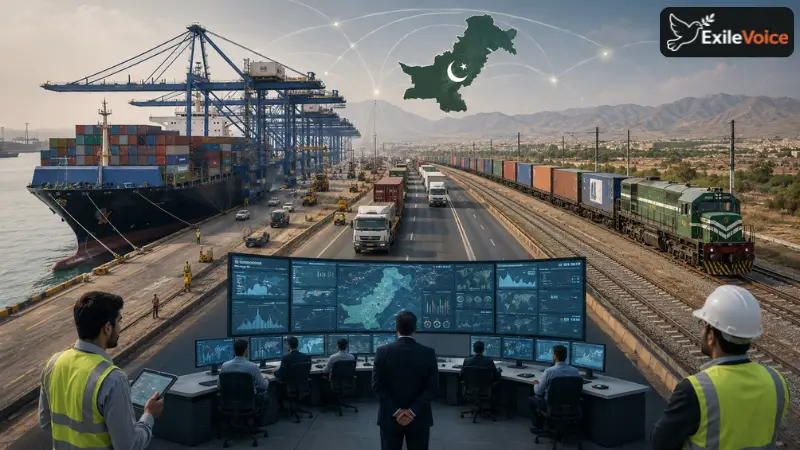
The structural reallocation of logistical assets within Pakistan’s state apparatus has reached a significant pivot point with the formalized transfer of a thirty percent equity stake and absolute management control of the National Shipping Corporation to the National Logistics Cell. This institutional consolidation fundamentally alters the domestic maritime and overland freight landscape, raising critical questions regarding competitive neutrality and state-directed market coordination.
Historically, the expansion of the National Logistics Cell into overland freight transport has inverse correlations with the structural health and revenue viability of civilian alternatives, most notably Pakistan Railways. In public asset management, this structural phenomenon functions as a zero-sum resource drain. As state-backed corporate entities capture higher-yield freight corridors, traditional civilian state infrastructure suffers a corresponding drop in capital reinvestment and operational relevance.
The extension of this model from terrestrial supply chains directly into maritime shipping represents an institutional strategy to establish an integrated multi-modal transport monopoly under sovereign administrative oversight. Proponents of this realignment argue that direct oversight introduces operational discipline, streamlined supply chains, and protection against external supply disruptions during regional crises.
However, macro-scale economic analysis indicates that substituting market competition with sovereign corporate entities often creates structural vulnerabilities. By insulating strategic entities from standard commercial accountability, the state risks building capital inefficiencies that could spill over into broader merchant shipping networks. Over time, these structural interventions distort the domestic maritime framework, making it harder to attract diversified international logistics partnerships.