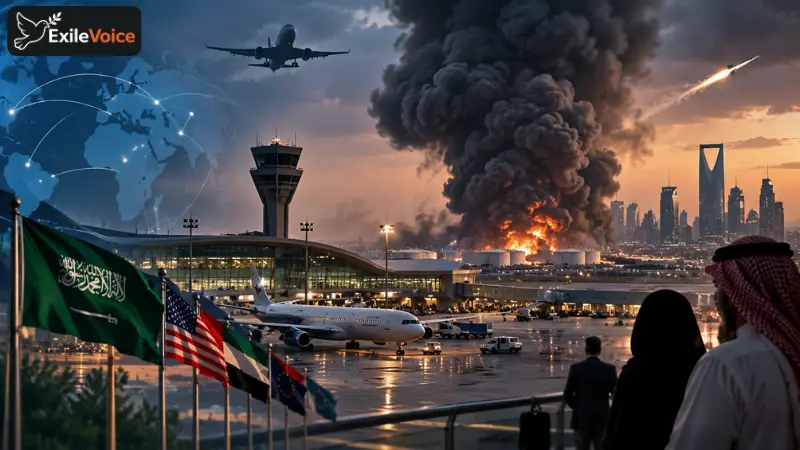
The geopolitical landscape of the Middle East is currently witnessing a profound shift as the United States, under the leadership of Donald Trump, maneuvers toward a new strategic reality regarding Iran. Central to this evolving conflict is the control of the Strait of Hormuz, a critical maritime chokepoint through which a significant portion of the world's energy supply passes. Recent high-level discussions suggest a burgeoning alliance involving the United States, Saudi Arabia, and Pakistan, aimed at securing, and potentially internationalizing, this vital waterway.
The narrative being shaped in Washington portrays the Iranian clerical regime as an irresponsible actor whose nuclear ambitions and control over energy routes pose an existential threat to regional and global stability. However, deeper analysis reveals a struggle for geopolitical control and resource management that transcends religious or ideological boundaries. The current strategy appears to favor a "regime change" or "containment" model where military pressure is used to force Iran into submission.
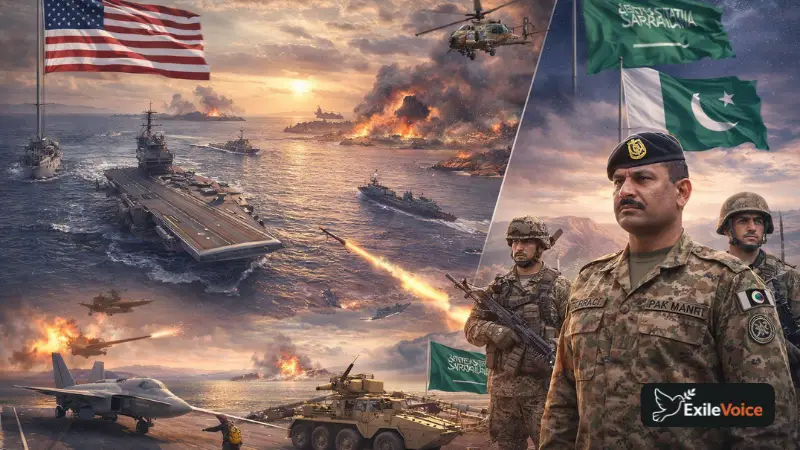
A critical component of this plan involves the utilization of regional allies to sustain a long-term presence. Reports indicate that the United States may lead an initial expeditionary strike to neutralize Iranian coastal defenses, subsequently handing over control to a coalition. Saudi Arabia and the United Arab Emirates, while financially potent, look toward Pakistan to provide the "military muscle" required to hold the territory against Iranian counter-strikes.
This potential involvement has sparked intense internal debate within Pakistan. General Asim Munir’s recent interactions with religious scholars underscore the pressure from Riyadh for Islamabad to honor its defense pacts. The ethical and strategic dilemma for Pakistan is immense: joining such a conflict risks severe domestic polarization and complicates its standing as a sovereign, non-aligned entity in a struggle that many see as a resource-driven "neo-colonial" endeavor.