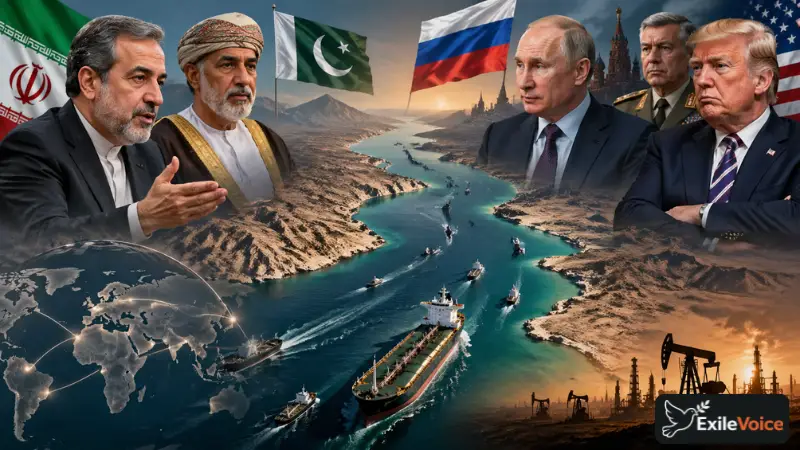
The current geopolitical landscape in the Middle East is undergoing a significant shift as Iran pivots toward a more complex diplomatic strategy involving regional players and global superpowers. At the heart of this maneuvering is the Strait of Hormuz, a critical maritime chokepoint through which approximately one-fifth of the world’s oil consumption passes. Iranian Foreign Minister Dr. Abbas Araghchi’s recent diplomatic tour, spanning Pakistan, Oman, and Russia, signals a strategic effort to bypass direct U.S. pressure while seeking a multilateral resolution to the ongoing naval blockade.
A primary pillar of Iran’s current proposal is the separation of the maritime security issue from the nuclear program. Traditionally, the United States has insisted on a comprehensive "grand bargain" that includes strict nuclear concessions. However, Tehran is now proposing a step-by-step approach. The first stage focuses on de-escalating the economic crisis by reopening the Strait of Hormuz under a joint supervisory framework involving Iran and Oman. By focusing on the "trust-building" phase of maritime stability, Iran aims to alleviate global economic pressure and gain support from energy-dependent nations like Germany.
The role of Russia in this dynamic has become increasingly pronounced. During high-level meetings in St. Petersburg, Russian officials, including President Vladimir Putin and military intelligence leadership, signaled support for Iran’s right to oversee the Strait of Hormuz. This alignment serves Russia's interests by challenging U.S. naval hegemony and creating a counter-narrative to Western-led sanctions. Reports from the United Nations indicate that Russia is prepared to support a legalistic administrative framework for the Strait, which would effectively legitimize Iranian-Omani custodianship over the waterway.
Despite these diplomatic overtures, the response from Washington remains cold. President Donald Trump has reportedly rejected the current proposal, citing the lack of immediate nuclear concessions as a primary deal-breaker. However, the absence of aggressive rhetoric following this rejection suggests that a back-channel dialogue remains open. The "silence" from the White House may indicate a period of internal deliberation as the U.S. weighs the costs of a prolonged blockade against the benefits of a stabilized global oil market.
Furthermore, emerging reports suggest that Iran may be finding creative "loopholes" to circumvent the naval blockade. By hugging the coastlines of Pakistan and India and utilizing the international legal principle of "innocent passage," Iranian tankers are allegedly continuing to reach major markets. If true, this undermines the efficacy of the U.S. "maximum pressure" campaign and forces a re-evaluation of how international maritime law is applied in contested waters.