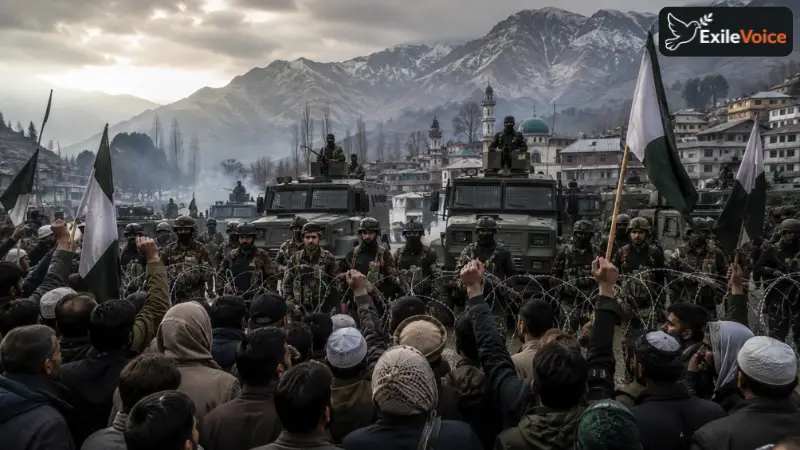
The political landscape in Kashmir has reached a critical juncture following the decision by the Kashmir Action Committee to postpone its long-anticipated long march. This decision, announced on July 15, comes after weeks of intense protests and a series of complex negotiations involving various stakeholders, including the current government and influential religious leaders. The protest, which was slated to culminate in a significant march, has now been delayed until July 22, with the committee providing the government a one-week ultimatum to fulfill its demands.
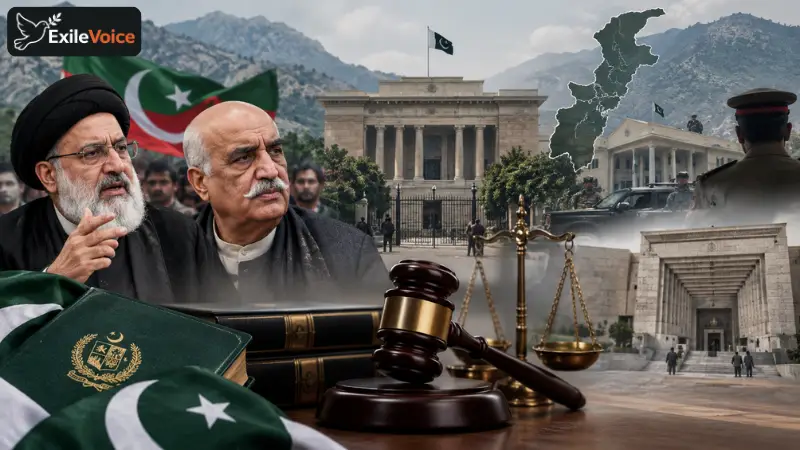
The core of this political tension lies in a deep-seated distrust between the public and the ruling administration. The Kashmir Action Committee has alleged that previous assurances provided during past negotiations were largely ignored, leaving the populace feeling betrayed by empty promises. The current strategy, which observers describe as a "time-gaining" tactic, has significantly eroded the credibility of government representatives. The involvement of figures like JUI-F leader Maulana Fazlur Rehman and PPP’s Bilawal Bhutto Zardari has been interpreted by many analysts as an attempt to leverage their influence to pacify the protestors without addressing the underlying grievances.
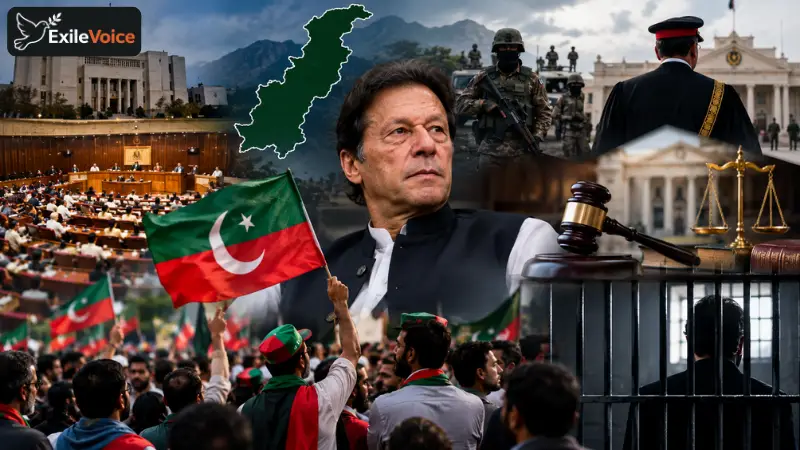
A particularly significant development in this stalemate is the direct involvement of the military establishment. The Action Committee reportedly reached out to the Army Chief, seeking his intervention under the belief that previous realities regarding the situation on the ground had not been accurately conveyed to him. While the Chief reportedly urged the protestors to show patience and offered to facilitate negotiations, skeptics argue that this move may be a strategic delay rather than a path to a genuine resolution. This reliance on the military as a final arbiter underscores the diminishing space for purely civilian political discourse and the growing sentiment that institutional power dynamics are the only mechanisms capable of forcing change.
Furthermore, the human cost of this crisis remains a stark reality. With nearly 28 confirmed deaths and reports of disappearances, the situation in the region is precarious. The protestors find themselves in a position with few viable options, balancing the risk of further violence against the potential for being dismissed through continued state apathy. As the one-week deadline approaches, the efficacy of this new negotiation strategy will be tested, and the outcome will likely dictate the future of regional stability and the public’s willingness to engage in further peaceful, yet demanding, protest actions.