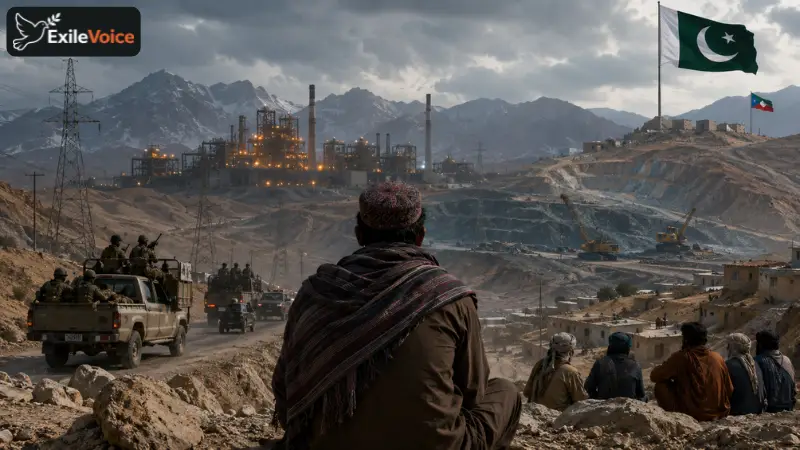
The current situation in Balochistan represents a critical juncture for Pakistan, characterized by profound security challenges and shifting geopolitical dependencies. As reports of local unrest, infrastructure vulnerability, and security operations dominate the landscape, the core of the issue lies in the management of what the state defines as a vital strategic asset. For years, the province has been central to national economic discourse, particularly regarding mineral wealth, with projects like the Saindak copper mines serving as cornerstones of export goals.
However, the disconnect between state administration and provincial ground realities has widened. Recent international reports indicate that external partners involved in long-term extraction projects are expressing significant concerns regarding the safety and viability of their operations in the region. The state’s failure to maintain a stable security environment has led to warnings that international investment could be withdrawn. This potential exodus threatens not only the economic output of the province but also the broader relationship between Pakistan and its key economic allies.
The security apparatus, represented by various state-run entities, has employed high-visibility operations intended to project control. Yet, these efforts are increasingly viewed as performative or insufficient in the face of persistent, deep-seated regional discontent. The reality on the ground, often hidden behind information blackouts and limited media access, reveals a cycle of conflict that defies simplistic solutions. The reliance on heavy-handed security tactics has not only failed to restore lasting peace but has also deepened the alienation of the local population.
Furthermore, the economic implications are dire. As the state struggles to balance its desire for resource control with its limited capacity to govern the province effectively, the resulting instability creates a volatile environment that discourages sustainable development. The narrative that the region is under full control is challenged by the persistent need for extraordinary security measures. Moving forward, the resolution of the Balochistan crisis requires a fundamental shift in strategy: moving away from an extractive, colony-style management model toward one that prioritizes the socio-economic welfare and political integration of the province’s populace. Without addressing these underlying issues, the region will remain a site of perpetual conflict, undermining both national stability and the nation's economic future.