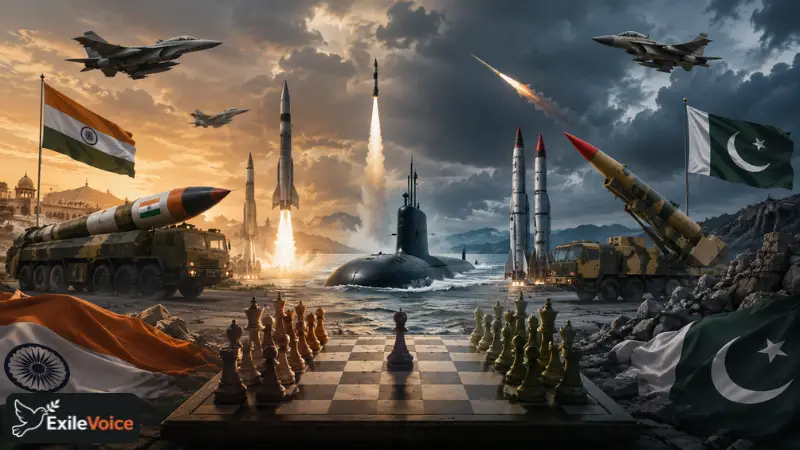
The geopolitical landscape of South Asia is undergoing a significant transformation following reports that India has operationalized and deployed nuclear warheads on its Arihant-class nuclear-powered ballistic missile submarines. According to recent data, this development marks a critical escalation in the region's defense dynamics, effectively establishing a mature nuclear triad for India.
Historically, India maintained a "no-first-use" policy, while Pakistan relied on a land-based nuclear deterrent strategy aimed at preempting threats. The introduction of sea-based nuclear weapons changes this calculus entirely. Unlike land-based missile silos or air-based assets, nuclear submarines provide an elusive, survivable, and long-endurance platform. Capable of remaining submerged for extended periods, these vessels serve as a "guaranteed" second-strike capability. Even in a scenario where land-based infrastructure is neutralized, a single remaining submarine can launch a retaliatory strike, rendering the traditional preemptive strike theories obsolete.
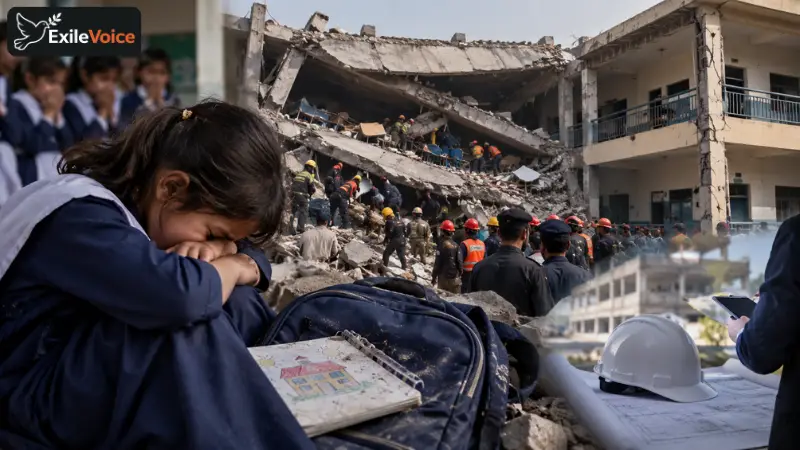
This move by India is viewed by security analysts as a profound departure from historical norms. Defense thinkers note that the "mating" of nuclear warheads with missiles is typically reserved for heightened states of conflict, not peacetime deployment. By operationalizing these assets, India has signaled a new level of strategic readiness. The implications for Pakistan are severe, as it faces the prospect of an accelerated arms race to counter this sea-based threat. The requirement to invest in advanced anti-submarine warfare (ASW) capabilities will inevitably place further strain on the economies of both nations, diverting essential resources from infrastructure, healthcare, and education to military expansion.
As India solidifies its nuclear triad, the threshold for nuclear brinkmanship in the region has been lowered. The lack of a diplomatic mechanism to manage these escalations increases the risk of accidents or miscalculations. Both nations now find themselves in a precarious cycle where technological advancement, rather than common sense or political stability, is driving regional security policies.