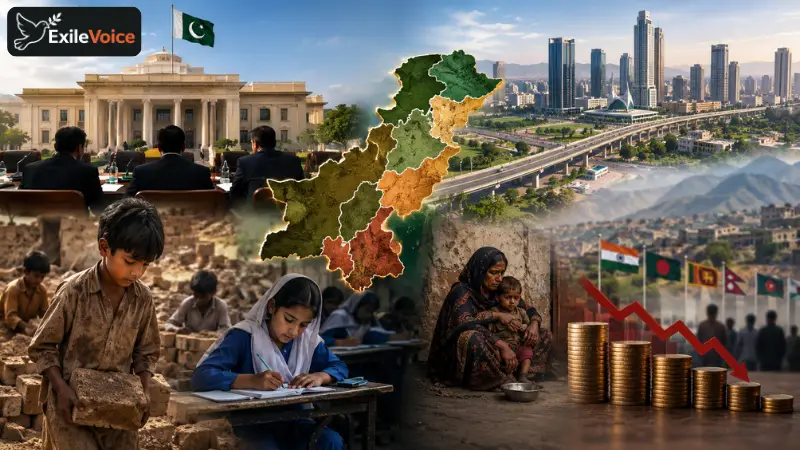
Pakistan is currently grappling with a multifaceted economic crisis, characterized by rising inflation, a deteriorating trade balance with China, and an alarming surge in digital fraud. These challenges are straining the average citizen’s ability to meet basic needs, as highlighted by the recent spikes in staple food prices and the increasing difficulty of sustaining a digital economy in a high-risk environment.
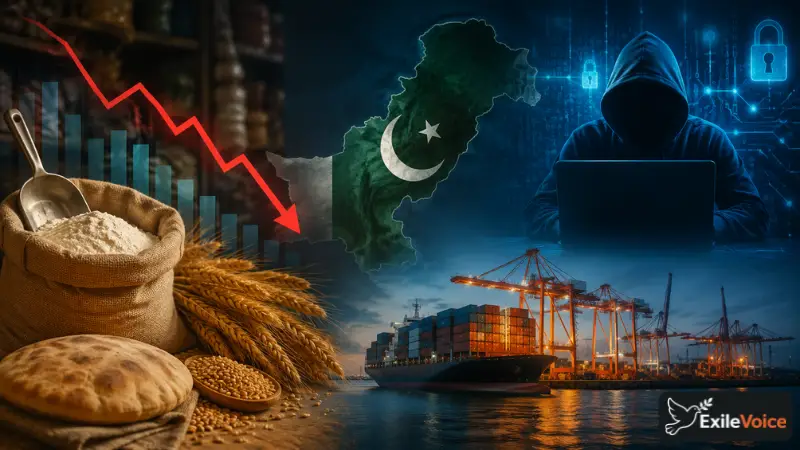
The price of flour, a staple for millions, has seen a dramatic increase, with a 20-kilogram bag now costing significantly more than it did in previous years. This escalation persists despite the arrival of new wheat harvests, indicating deep-seated systemic issues in agricultural supply chains, procurement, and middleman interference. As prices continue to rise, the burden on the common citizen becomes unsustainable, leading to severe social consequences.
Simultaneously, Pakistan has been identified as a highly vulnerable territory for digital fraud. As the country transitions toward a digital economy, incorporating digital banking and online bill payments, the lack of robust cybersecurity infrastructure and public awareness has made it a prime target for cybercriminals. Being categorized as one of the most unsafe countries for digital transactions poses a significant barrier to both local commerce and international investment.
Moreover, the trade relationship with China presents a substantial imbalance. With imports from China reaching approximately $17 billion while exports remain stagnant at around $3 billion, the resulting trade deficit is unsustainable. This gap is further complicated by concerns regarding security, which Chinese entities have cited as a barrier to expanding business operations, particularly in projects like Gwadar.
Addressing these economic issues requires a comprehensive approach that includes securing digital financial infrastructure, stabilizing agricultural supply chains, and renegotiating trade frameworks to foster a more balanced and sustainable economic environment. Without strategic intervention, these pressures threaten to exacerbate the existing social and financial instability across the country.