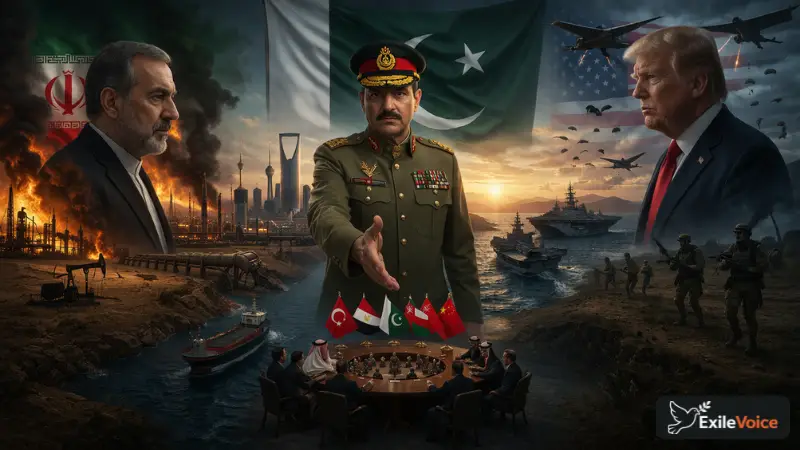
In a sudden and dramatic shift in Middle Eastern geopolitics, the Trump administration has reportedly turned to Pakistan as a primary mediator to break the escalating military and diplomatic stalemate with Iran. As of late March 2026, international headlines are dominated by the "15-point proposal" allegedly delivered via Pakistani channels. This move marks a significant departure from traditional backchannels like Oman or Qatar, positioning Pakistan’s military leadership, specifically General Asim Munir, at the center of a high-stakes global power play.
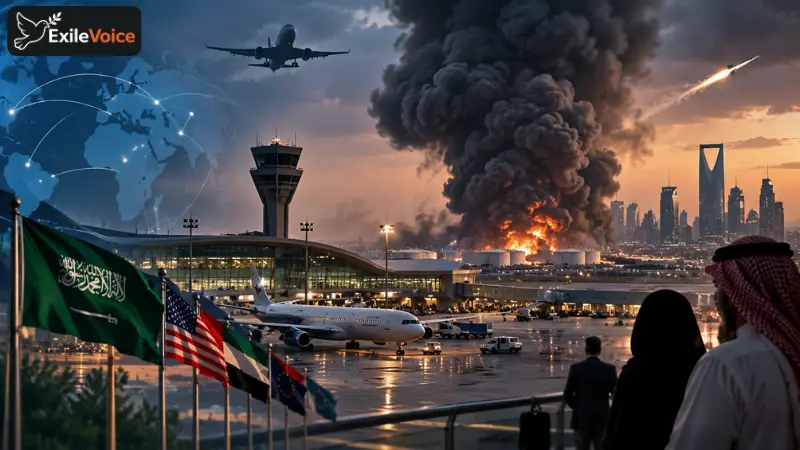
The necessity for this "Pakistan Card" arose from a self-inflicted crisis in Washington. Following threats to destroy Iran’s critical power infrastructure, the Trump administration faced a harrowing reality: Iran’s integrated retaliatory capacity against GCC energy grids could destabilize global oil markets and send prices skyrocketing beyond $100 per barrel. Faced with a potential economic catastrophe at home and a military quagmire abroad, the U.S. required a "face-saving" exit. Pakistan provided that bridge.
Evidence of this orchestrated diplomacy was seen in a highly unusual social media interaction where Pakistan’s Prime Minister Shehbaz Sharif tagged President Trump, Iranian Foreign Minister Abbas Araghchi, and U.S. envoy Steve Witkoff in a tweet offering mediation space. Trump’s subsequent resharing of this post on Truth Social suggests the tweet was likely "on-demand," designed to signal to his domestic base that Iran was "pleading" for terms, despite Tehran’s official denials of any direct negotiations.
However, the nature of this mediation remains under intense scrutiny. While Islamabad frames its role as a pursuit of regional peace, critics argue the timing aligns too closely with U.S. military repositioning. The deployment of the 82nd Airborne Division and additional Marine units suggests that while the "diplomatic track" is publicized, a military contingency is simultaneously being refined. For Pakistan, the risk is immense: should the mediation be perceived as a tactical deception to buy time for a larger strike, Islamabad’s relationship with its neighbor, Iran, could be irreparably damaged.
Ultimately, Pakistan’s efficacy as a mediator depends on its ability to bring a "guarantor" to the table. While Turkey, Egypt, and Oman have offered similar spaces, Pakistan’s unique leverage could involve bringing China into the fold as a neutral supervisor, a move that would transform the current deadlock into a sustainable multilateral framework.