In the wake of unprecedented personal and national tragedies, the mantle of Iran’s Supreme Leadership has transitioned to Mojtaba Khamenei. His ascension marks a definitive shift toward a more confrontational and uncompromising foreign policy. In his inaugural address,a lengthy, detailed statement comprising several critical paragraphs,Khamenei set a tone that has been described by international observers as "confrontational" and "defiant." There was no mention of a ceasefire, no olive branch for negotiations, and no softening of the rhetoric that has defined Iranian resistance for decades.
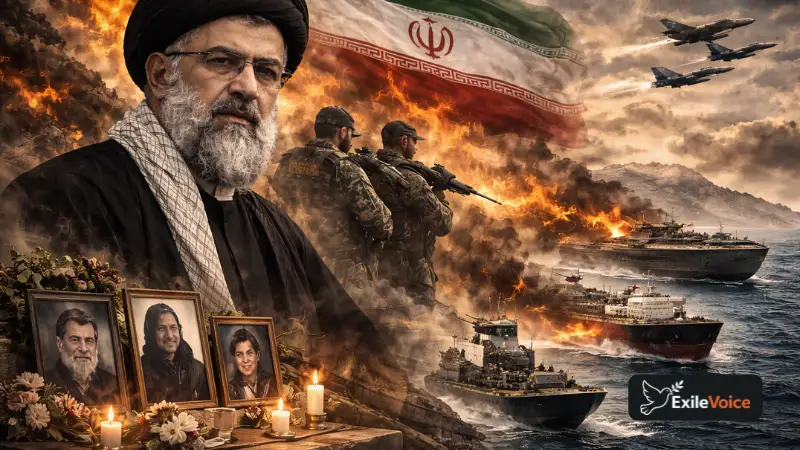
This hardline stance is rooted in a deeply personal context. Having lost his father, sister, and wife in the ongoing conflict, Mojtaba Khamenei is not merely a political figurehead but a leader with a profound personal stake in the struggle. This "personal stake" is viewed by intelligence analysts, including those within the CIA, as a catalyst for a "Revolutionary Republic 2.0",a regime that is potentially more resilient and aggressive than its predecessor. The message to the international community is clear: Iran will not back down, and for every strike it receives, it intends to respond with quadrupled force.
A central pillar of this strategy is the continued blockade of the Strait of Hormuz. By maintaining control over this vital maritime artery, Iran continues to exert significant pressure on global energy markets and the logistics of Western naval powers. Furthermore, Khamenei’s rhetoric has extended warnings to regional neighbors. He specifically addressed nations that provide bases for Western military assets, suggesting that their cooperation with "Western powers" places them in direct opposition to the interests of the Muslim world. Countries such as Saudi Arabia, Qatar, and Bahrain have been warned that facilitating attacks on a fellow Muslim nation will have lasting consequences.
The internal security of Bahrain has also been highlighted, where a significant Shia population has participated in uprisings. Reports indicate that local security forces have struggled to contain these movements, leading to the deployment of police personnel from Jordan. This regional instability serves as a backdrop to Iran’s broader promise of retribution for specific incidents, such as the tragic attack on a school in Minab. Khamenei’s leadership signal suggests that Iran is prepared for a "forever war," building its capacity and opening new fronts against the United States and Israel rather than seeking a diplomatic exit from the current crisis.