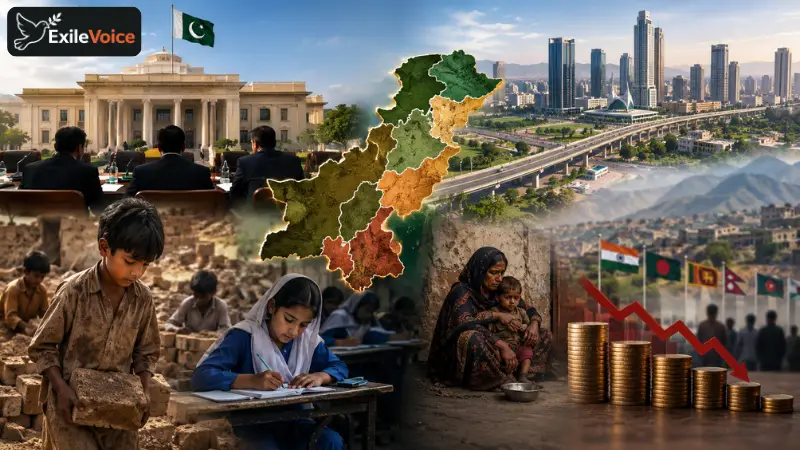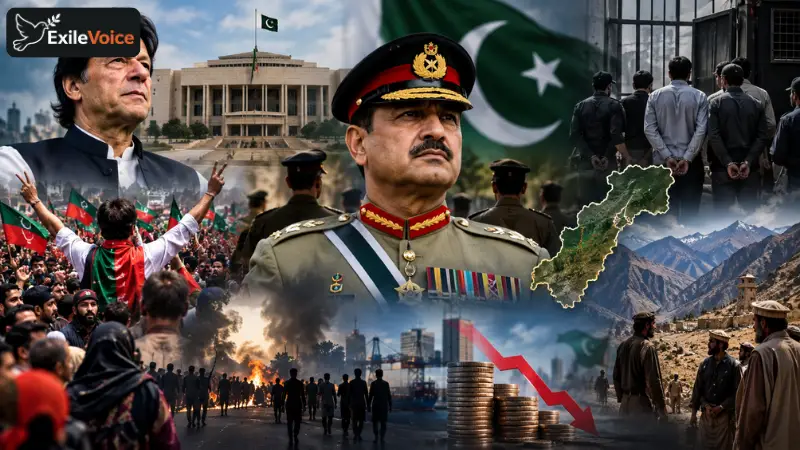
The geopolitical landscape of South Asia is witnessing a significant recalibration as Pakistan explores new dimensions within its long-standing relationship with the Kingdom of Saudi Arabia (KSA). Recent reports indicate a "shocking" evolution in bilateral agreements, specifically the potential integration of Saudi financial deposits into a formal defense pact. This move suggests a transition from traditional brotherly assistance to a more transactional security-financial framework.
Historically, Pakistan’s military cooperation with Saudi Arabia was framed under the noble cause of protecting the "Harmain Sharifain" (the holy sites). However, the current discourse suggests that financial deposits, funds kept in Pakistan's central bank to bolster foreign exchange reserves, might now be legally tied to defense obligations. This development raises critical questions regarding national sovereignty and the perception of the state’s military apparatus. Critics argue that formalizing such links risks portraying the national defense strategy as one driven by financial "rent," rather than mutual strategic interests.
Furthermore, the pact reportedly includes discussions on doubling the volume and duration of oil-on-deferred-payment facilities. While this provides much-needed breathing room for Pakistan’s embattled economy, it deepens the dependency on Riyadh. The optics of linking sovereign debt and cash deposits to a military treaty are sensitive; it creates a narrative where national security assets are leveraged for economic survival.
On the regional front, this shift occurs amidst a cooling of relations with the United Arab Emirates (UAE). While the UAE has historically been a primary destination for Pakistani labor and investment, recent diplomatic friction has led to a perceived "pro-Saudi" tilt in Islamabad’s foreign policy. This imbalance is risky, considering that nearly one million Pakistanis reside in the UAE, contributing billions in remittances annually. A professional foreign policy requires balancing these brotherly nations without alienating one for the other, especially when the "elite" continue to hold offshore assets in these jurisdictions while the common laborer bears the brunt of diplomatic spats.