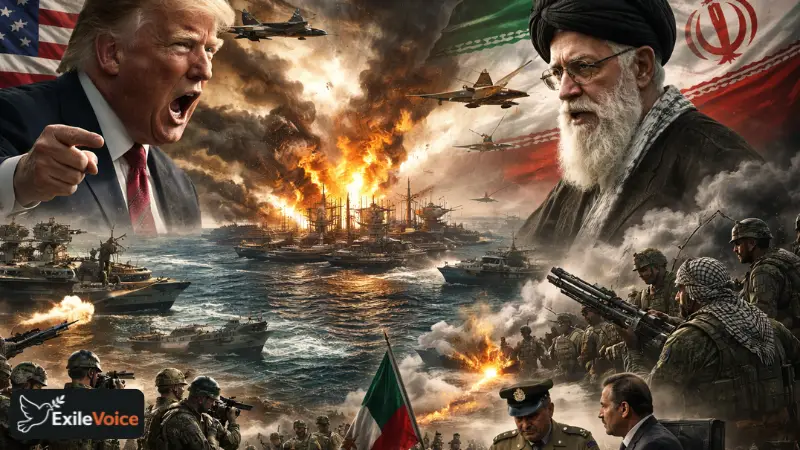
The global geopolitical stage is currently witnessing an unprecedented escalation in tensions between the United States and Iran, marked by a volatile combination of aggressive rhetoric, tactical military strikes, and a race against a tightening clock. As President Donald Trump’s extended deadline for Iran to "open the f**king Strait" of Hormuz draws near, the world stands at a critical juncture. The situation has moved beyond mere diplomatic posturing, with actual kinetic actions already being reported on the ground.
Recent reports indicate that the U.S. and its partners have already begun targeting key Iranian economic and logistical nodes. Over 50 targets have been reportedly struck on Kharg Island, a vital hub responsible for processing nearly 90% of Iran’s oil. These strikes serve as a "signal" of what full-scale military action might look like if the deadline is not met. Simultaneously, Israel has been active, targeting Iranian bridges and railway tracks, effectively demonstrating a readiness to dismantle Iran’s civilian and military infrastructure. This "show of leg" approach is designed to maximize psychological pressure on the Iranian leadership, forcing them to choose between total economic collapse and a significant strategic retreat.
President Trump’s rhetoric has been particularly incendiary, even by his standards. His recent statements, suggesting that "a whole civilization will die today, never to be brought back again", reflect a level of aggression that has alarmed international observers and legal experts. Such threats against civilian-indispensable infrastructure are technically illegal under international law, yet the administration appears undeterred by global norms. This "remorseless" approach is compounded by Trump’s public mockery of Islamic phrases, which has triggered a backlash not only from Muslim-majority nations but also from within the United States, where conservative voices and military officials are beginning to question the morality and legality of his orders.
The role of regional players remains pivotal yet complicated. Pakistan, for instance, finds itself in a precarious position. While its military leadership has attempted to mediate between the U.S. and Iran, the outcome remains uncertain. Pakistan has expressed solidarity with Saudi Arabia, emphasizing that while they are friends of Iran, they are "brothers" of the Saudis. This delicate balancing act is further strained by internal political turmoil in Pakistan, where the arrest of political figures and the suppression of protests draw attention away from its international diplomatic efforts.
As the countdown enters its final hours, three main possibilities emerge: a further extension of the deadline through last-minute diplomacy, a strategic deal involving a permanent ceasefire, as demanded by Tehran, or a significant military escalation that could reshape the Middle East for decades. Regardless of the immediate outcome, the tradition of using the Strait of Hormuz as a geopolitical chokepoint has now been firmly re-established, ensuring that this flashpoint will remain a central concern for global energy markets and international security.