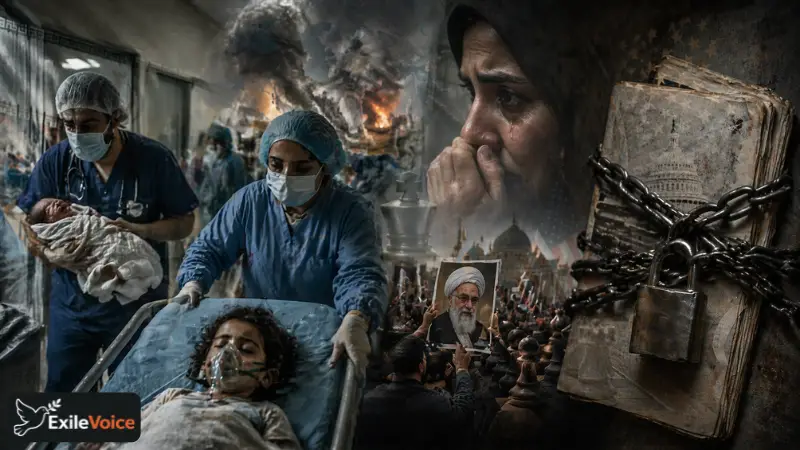
Amidst the high-level diplomatic briefings and strategic analyses of the Iran-U.S. conflict, the staggering human cost often remains relegated to the background. Recent footage from Iranian hospitals, specifically children’s wards caught in the crossfire of recent bombings, serves as a grim reminder of the war's reality. The images of medical staff rushing newborn infants to safety during active bombing raids highlight a humanitarian crisis that is frequently overshadowed by discussions of oil prices and geopolitical leverage. This "human cost" is central to the regional grievance, yet it is a topic that faces significant narrative control within Pakistan.
A striking example of this control is the recent censorship of an international report regarding the internal sentiments of Pakistan's Shia minority. A story titled "Shia Anger in Pakistan," originally slated for the international edition of a major American newspaper, was noticeably absent from its Pakistani print version. The report detailed how millions of Pakistani Shias view Iran as a spiritual home and expressed growing frustration with the state’s alignment and the treatment of their community. Intelligence officials have raised alarms that this perceived marginalization could lead to a surge in domestic militancy and extremism if not addressed through inclusive dialogue.
The suppression of such narratives indicates a fragile internal security landscape. The state’s attempt to project a unified front as a "neutral mediator" is complicated by deep-seated communal tensions and the historical grievances of minority groups. When internal dissent is censored to maintain a specific diplomatic image, it often simmers beneath the surface, threatening the very stability the country seeks to export through mediation. Understanding the conflict requires acknowledging both the physical destruction in the region and the social fractures within the mediating nations themselves.