For decades, the Pakistani diaspora in the Gulf has been the backbone of the country’s economy, sending home billions in remittances that keep the national exchequer afloat. However, a troubling new trend has emerged: the mass deportation of Pakistani workers from the United Arab Emirates (UAE). This development is not merely a matter of labor law or visa expirations; it appears to be a direct consequence of the shifting sands of Middle Eastern geopolitics and Pakistan's attempts to navigate the complex rivalry between the West, Iran, and the Arab monarchies.
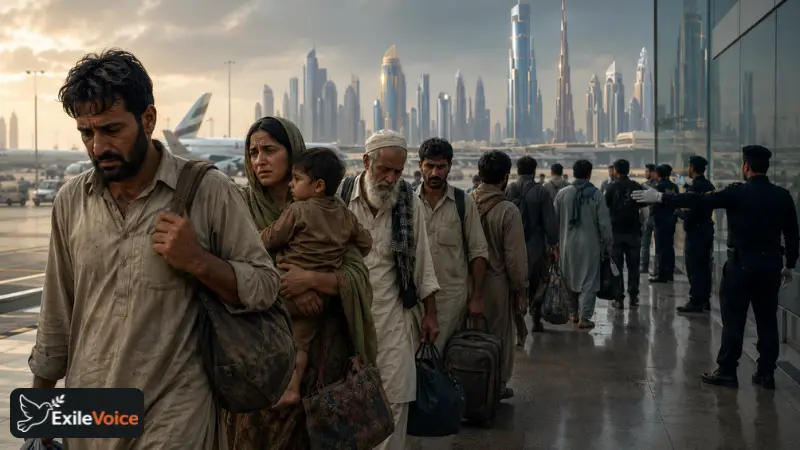
Reports indicate that thousands of Pakistanis, particularly those from specific sectarian backgrounds, have faced sudden job terminations, bank account freezes, and deportation orders in cities like Dubai, Sharjah, and Abu Dhabi. While the Pakistani Ministry of Interior has officially denied these reports, international news outlets and credible think tanks have provided extensive evidence suggesting a diplomatic rift. The core of the issue seems to be Pakistan's role as a self-styled mediator between the United States and Iran, a position that does not align with the strategic interests or the regional security architecture favored by the UAE.
The irony is palpable. The Pakistani state often boasts of its "brotherly ties" with Islamic nations, yet it appears powerless when its citizens are treated as expendable pawns in a geopolitical chess match. The "Jugaaru" (makeshift) nature of Pakistani governance is laid bare when high-ranking officials prioritize their own political survival over the protection of the labor force that sustains the nation. The lack of a robust consular response or a transparent explanation from the government has left thousands of families in financial ruin and social despair.
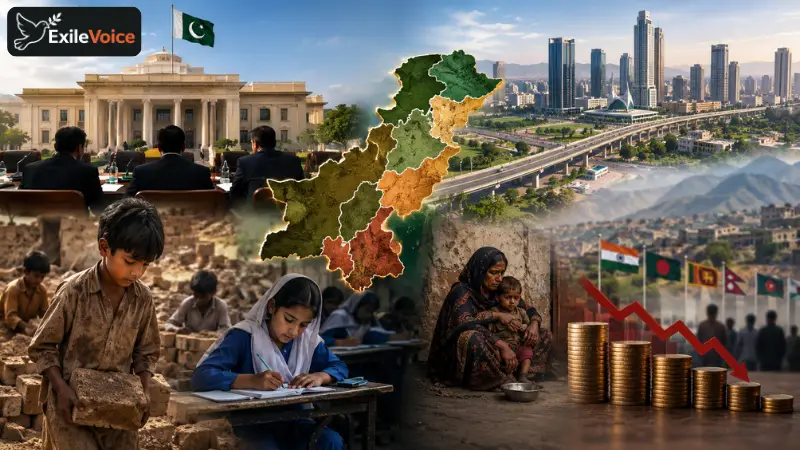
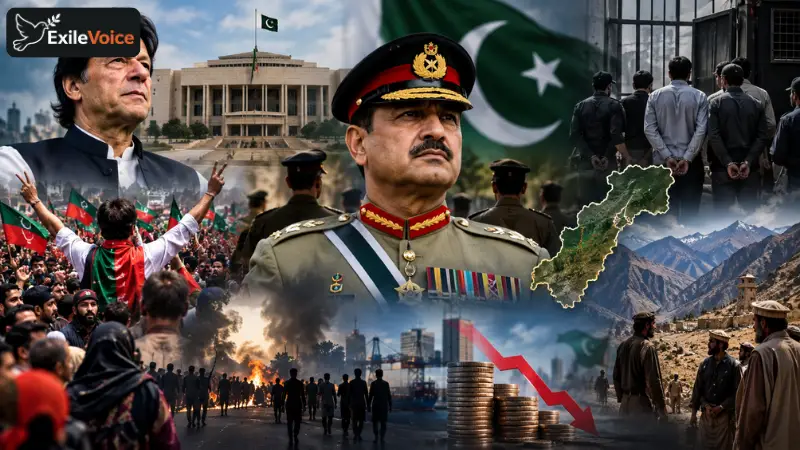
This crisis also highlights the fragility of Pakistan's economic model. By relying so heavily on the export of labor without providing domestic industrial growth or strong diplomatic protections, the state has left its most vulnerable citizens exposed to the whims of foreign rulers. When workers who have spent decades building the infrastructure of the Gulf are sent home with nothing but the clothes on their backs, it creates a new wave of resentment against the ruling elite in Islamabad who seem more concerned with "London Plans" and internal crackdowns than with the welfare of the diaspora.
Moving forward, Pakistan must reassess its "labor export" strategy. It requires a foreign policy that is not just reactive but protective, ensuring that bilateral agreements include ironclad protections for workers. Furthermore, the state must address the domestic grievances that drive its citizens to seek livelihoods in environments where they have no rights. Without a fundamental shift in how the state values its human capital, the "remittance dream" may soon turn into a geopolitical nightmare for millions.