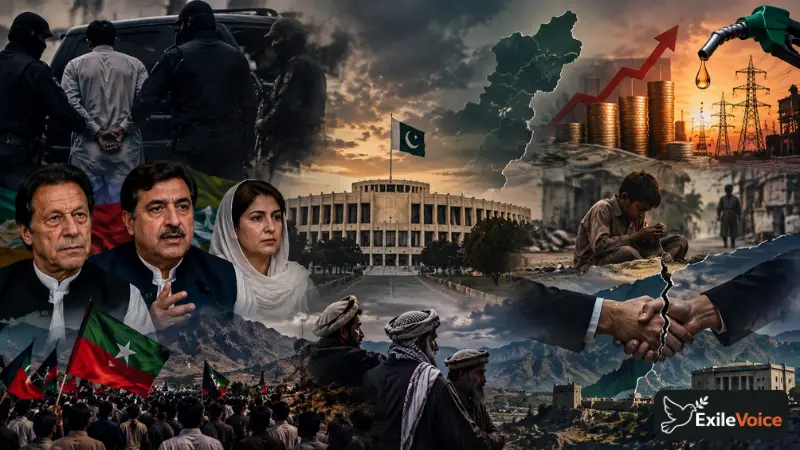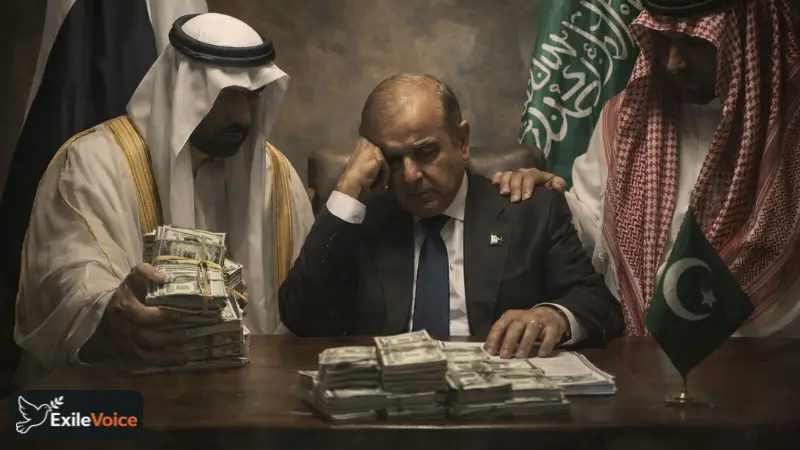
Financial sovereignty has become a primary casualty in the current geopolitical landscape. Pakistan’s recent struggle with the United Arab Emirates (UAE) over a $3 billion "roll-over" loan illustrates the precarious nature of debt-based diplomacy. Traditionally, these loans are extended as a gesture of regional solidarity, but the UAE’s sudden demand for repayment, or a refusal to grant an extension, signals a cooling of relations. This shift is largely attributed to Pakistan’s pivot toward stronger ties with Saudi Arabia, leaving Abu Dhabi feeling marginalized in the regional hierarchy of influence.
This "debt trap" scenario forces a national leadership into a reactive and often embarrassing posture. When a nation relies on "kitty party" style financial extensions, where survival depends on the whims of an "auntie" nation granting a monthly reprieve, it loses the ability to project strength on the world stage. The current administration's attempt to spin the situation by claiming they will "repay and move on" masks a deeper vulnerability: the money to pay back the UAE will likely come from another loan, potentially from Saudi Arabia, creating a cycle of perpetual indebtedness.
The strategic advice from independent economic analysts is blunt: a nuclear-armed state should not be bullied by its creditors. However, the reality of depleted foreign exchange reserves and internal mismanagement makes such defiance difficult. This financial pressure has direct consequences on the battlefield and the negotiating table. A nation in debt is a nation with limited options; its military decisions and diplomatic stances are often dictated by the need to appease lenders rather than the national interest. To regain its footing, Pakistan must move away from personalistic diplomacy, where individual relationships between leaders dictate state policy, and toward a formalized, transparent economic framework that prioritizes fiscal independence over temporary bailouts.