As global headlines focus on the high-stakes maneuvers of military leadership and diplomatic shuttling, a quieter but more devastating crisis is unfolding within Pakistan’s borders. The "cost of war" is often measured in ammunition and territory, but for the average Pakistani citizen, it is currently being measured in the price of fuel and the erosion of civil liberties.
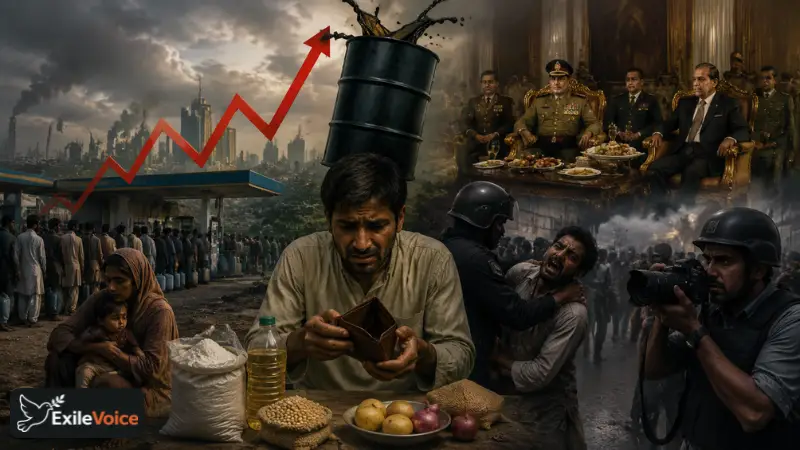
The recent spike in global energy prices, exacerbated by regional tensions, has hit Pakistan with surgical precision. Domestic fuel prices have surged by an estimated 167 percent, pushing the monthly bill from 300 million to 800 million. This "oil shock" has effectively derailed the brief period of cooling inflation the country experienced earlier this year. The Consumer Price Index (CPI) has once again climbed into double digits, crossing the 10 percent threshold. This economic strain is not felt equally across the board. While the ruling elite, military top brass, and senior bureaucracy continue to enjoy state-funded perks and fuel quotas, the middle class and the poor are left to navigate a landscape of "rationing."
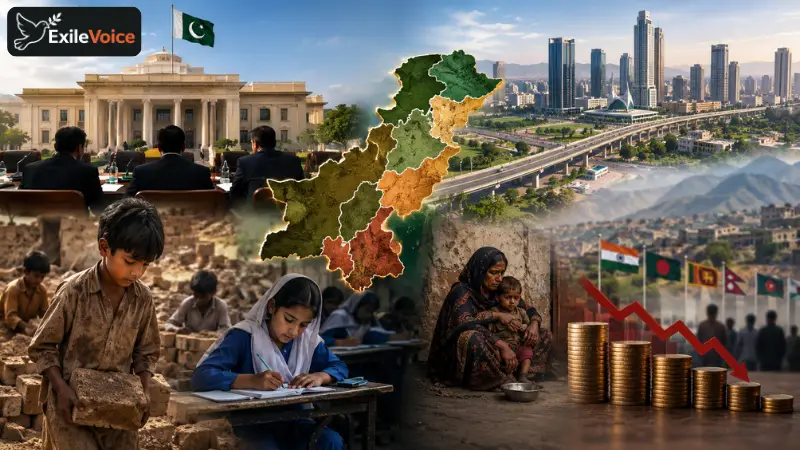
The government’s response, implementing four-day work weeks, closing businesses by 10 PM, and pushing for remote schooling, is a temporary bandage on a systemic wound. These measures threaten long-term national productivity and the educational development of the next generation. Furthermore, the internal security situation remains precarious. Despite various "ceasefires" and regional agreements, Pakistan’s ranking on the Global Terrorism Index remains alarmingly high. The instability in borderlands, particularly Balochistan, has not only claimed lives but has also shattered investor confidence. Major international publications like the New York Times have highlighted the risks in these regions, which directly counters the state’s efforts to attract foreign capital for mineral extraction and infrastructure.
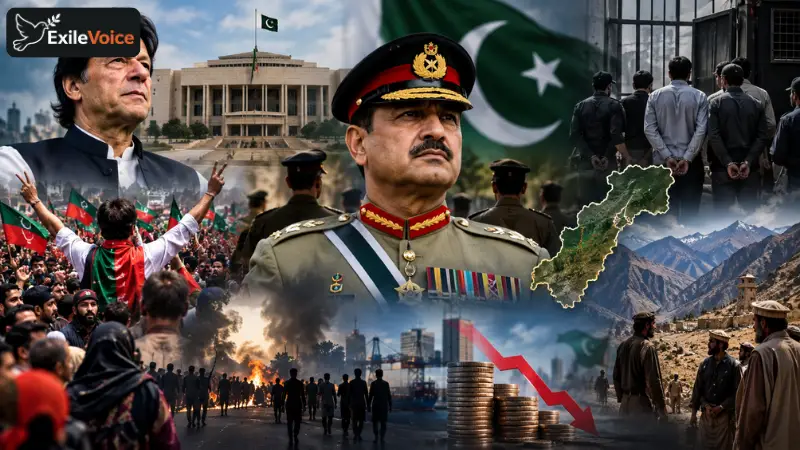
Parallel to the economic decline is a tightening grip on freedom of expression. In the last year alone, there have been over 129 verified violations against press freedom, including physical assaults, legal intimidation, and enforced disappearances. The "cost" of being a vocal critic in Pakistan has risen to include life sentences and exile. When the benefits of a country's high-profile international standing are reaped only by its "rajahs and maharajahs" while the public pays the bill through inflation and restriction, the social contract is at risk of total collapse.