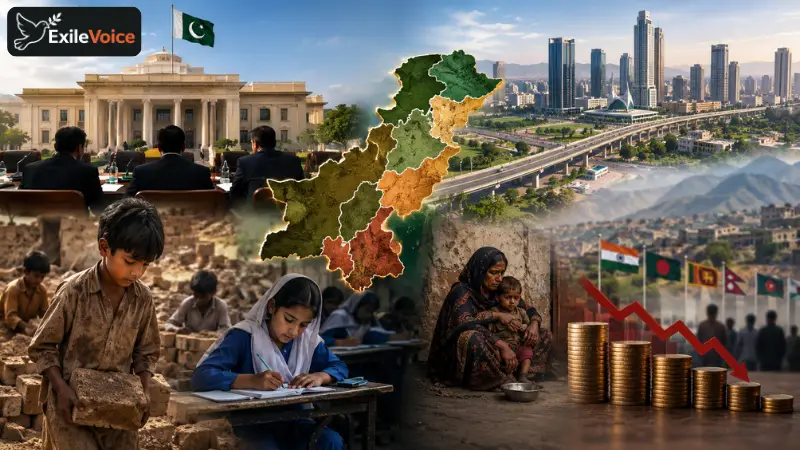
The 2026 Global Report on Food Crises has delivered a sobering assessment of the humanitarian situation in Pakistan, ranking the country among the top ten nations facing acute food insecurity. Once hailed as a premier agricultural economy, Pakistan now finds itself in the company of conflict-ridden states like Sudan, Yemen, and Syria. The report estimates that approximately 11 million people in the country are suffering from severe nutritional deficiencies, a statistic that underscores a catastrophic failure in domestic policy and economic management.
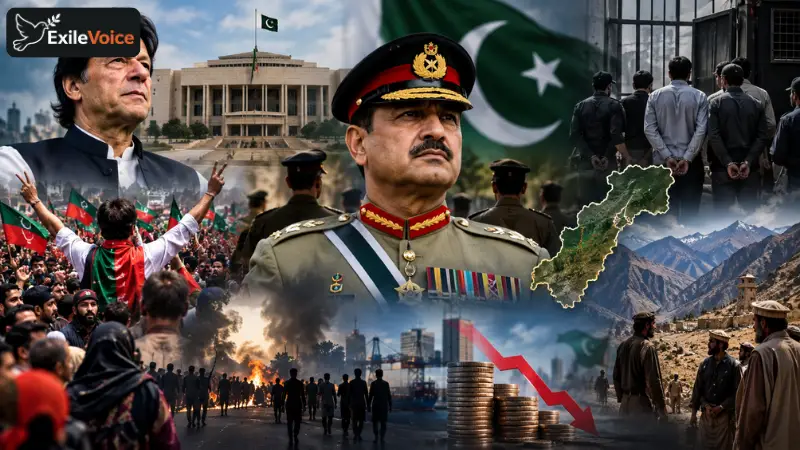
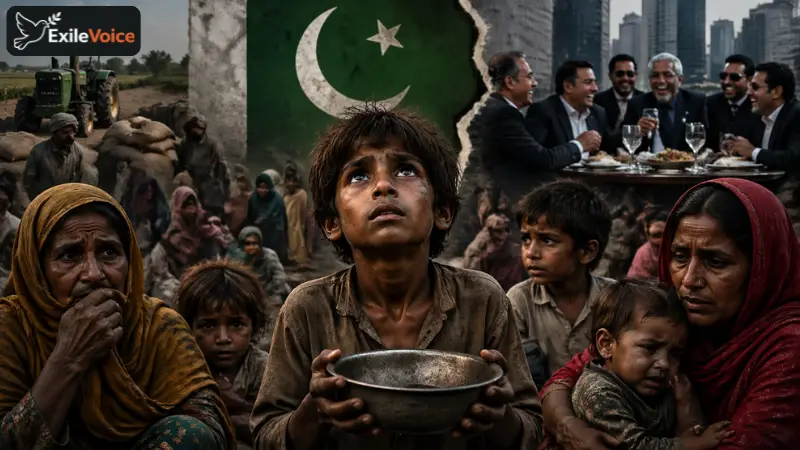
The "hunger trap" in Pakistan is not merely a result of climate change or global supply chain disruptions; it is a symptom of deep-seated structural inequalities. While the elite "ashrafiya" continue to enjoy legal immunity and economic privileges, the common citizen is forced to navigate a landscape of soaring inflation and stagnant wages. The disparity is highlighted by the recent wave of legal reliefs granted to high-profile political figures in corruption cases, contrasted against the harsh reality of the masses who lack basic sustenance.
This socio-economic desperation is manifesting in public outbursts and a breakdown of social decorum. A viral video of an elderly woman expressing her rage against the ruling class through coarse language serves as a raw indicator of the "public feedback" that is often ignored by the elite. The psychological toll of being unable to provide for one's family has transformed the public mood from mere frustration to visceral anger. Experts warn that when a significant portion of the population is pushed below the poverty line, the risk of social upheaval increases. The current crisis demands an immediate pivot from political maneuvering to a focused, emergency economic plan that prioritizes food security and the protection of the most vulnerable segments of society.