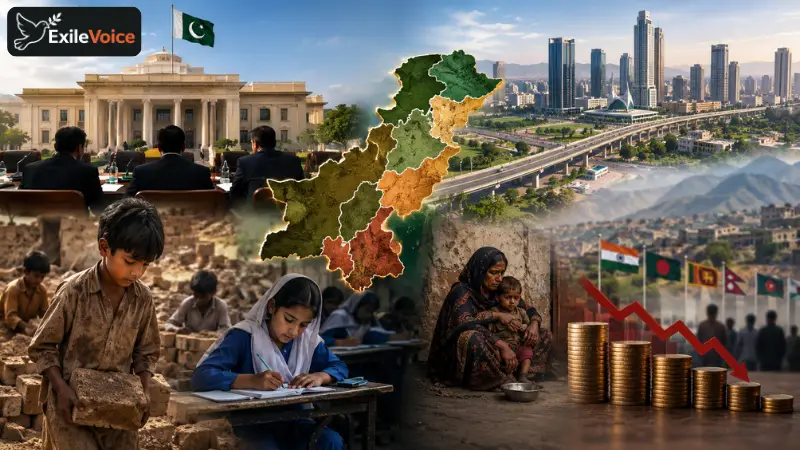
The European Union’s Generalised Scheme of Preferences (GSP+) remains a critical pillar for Pakistan’s export-oriented economy, particularly for its textile industry, which relies heavily on access to European markets. This status grants Pakistani exporters a competitive edge by significantly reducing import duties compared to nations without such preferential agreements. However, the program is predicated on the beneficiary country’s commitment to international conventions on human rights, labor standards, environmental protection, and good governance.
Recent developments suggest a growing tension between these trade benefits and the deteriorating political and human rights landscape within Pakistan. International observers, including European Union election monitors, have compiled reports detailing irregularities in the 2024 election processes. While these reports remain largely unpublished by international bodies citing diplomatic and national interests, the lack of transparency has sparked debate regarding the efficacy of using GSP+ as a lever for democratic reform.
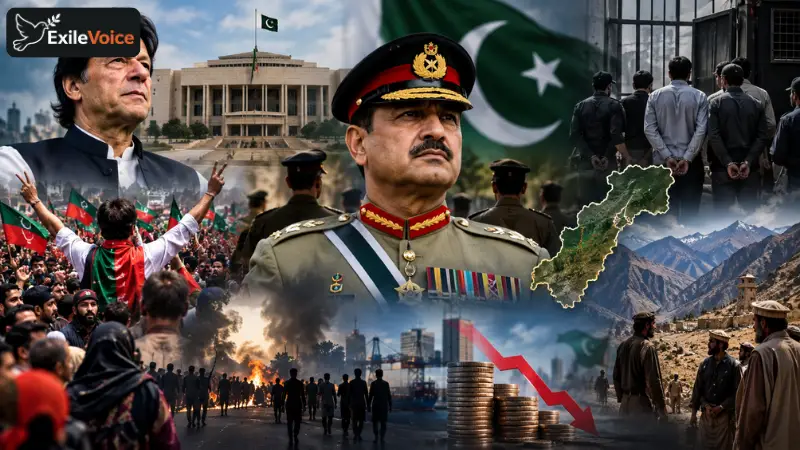
For years, allegations regarding the suppression of freedom of speech, the utilization of military courts for political trials, and the detention of high-profile political figures, including former Prime Minister Imran Khan, have raised serious concerns. The European Union, while recently expressing "deep concern" in its latest report, maintains the GSP+ status, illustrating a complex geopolitical calculus. Critics argue that Western powers, including the UK and the EU, prioritize their strategic interests and alignment with the current regime over the enforcement of the democratic principles they officially advocate. This dynamic creates a perception of hypocrisy, where diplomatic engagement continues despite documented violations, leaving the Pakistani public skeptical of the international community's genuine commitment to human rights.