The geopolitical landscape of the Middle East is undergoing a tectonic shift as the conflict between Israel and Iran moves from the shadows into a direct, high-stakes assault on national stability. Recent intelligence reports and field developments indicate that the "shadow war" has entered a new, more aggressive phase. Israel’s military strategy has evolved beyond the assassination of high-ranking military officials to the systematic targeting of Iran’s critical energy and power infrastructure.
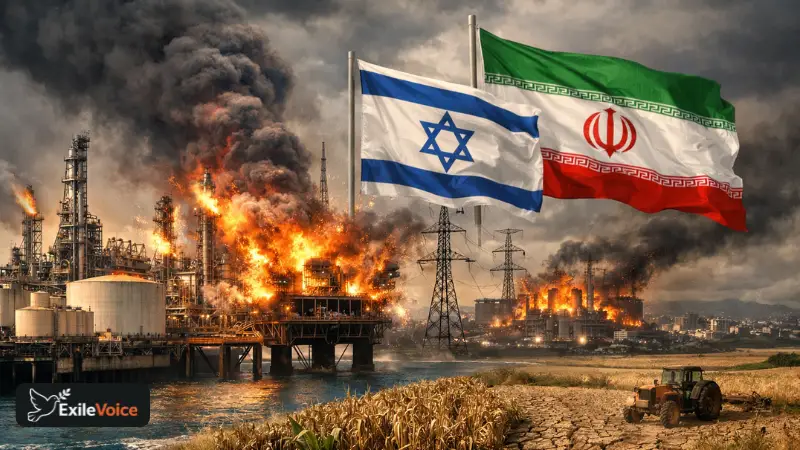
At the heart of this escalation is the targeting of the South Pars gas field, a massive energy reservoir shared between Iran and Qatar. This field is not merely a source of revenue; it is the lifeblood of the Iranian domestic economy. Producing approximately 70% to 75% of Iran’s natural gas, the South Pars field fuels nearly 80% of the country’s electricity grid. By striking these facilities, Israel is effectively implementing a policy of "domestic paralysis," where the absence of power ripples through every sector of Iranian life.
The strategic implications are profound. When electricity fails, communication systems go dark, industrial production halts, and the daily lives of millions are disrupted. This is no longer just a regime-change strategy; it is an assault on the functional capacity of the state itself. Furthermore, the destruction of gas infrastructure impacts Iran’s agricultural sector, as gas is a primary feedstock for nitrogen and urea fertilizers. This creates a secondary crisis of food security, adding immense internal pressure on the Iranian leadership.
Despite these heavy blows, including the recent loss of the Minister of Intelligence, Ismail Khatib, the Iranian leadership maintains a defiant posture. Foreign Minister Abbas Araghchi has publicly stated that while individuals are influential, the institutional strength of the Islamic Republic is deep-rooted and designed to withstand the loss of any single leader. However, as the strikes move closer to the civilian energy grid and essential services, the resilience of the Iranian public and the stability of the regime face their most significant challenge since the 1979 revolution.