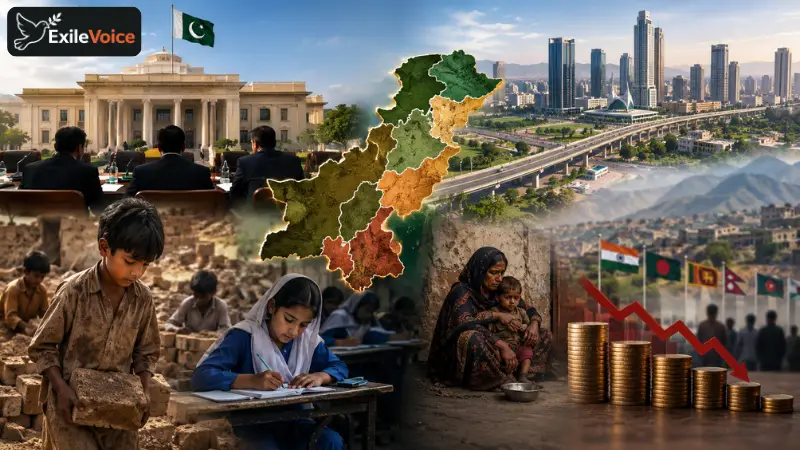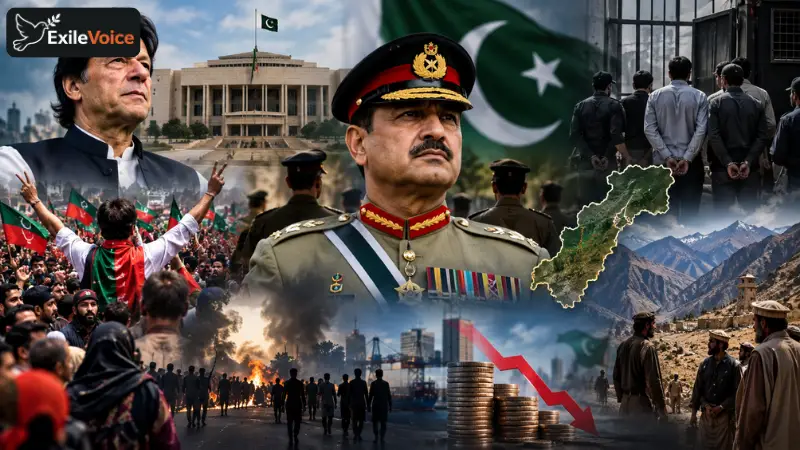
Pakistan’s industrial sector is currently facing an existential threat driven by some of the highest electricity tariffs in the region. While neighboring countries enjoy power at significantly lower rates, Pakistani consumers and businesses are burdened with costs that frequently exceed 54 rupees per unit. This disparity has sparked a heated debate regarding the origins of the crisis, with some political commentators and government allies attempting to frame the situation as an external "Indian conspiracy" designed to sabotage Pakistan’s economic competitiveness.
However, a professional analysis of the energy sector reveals that the roots of the problem are predominantly internal and systemic. The current crisis is largely the result of contracts signed with Independent Power Producers (IPPs) during previous administrations. These agreements often included "take-or-pay" clauses, forcing the government to pay for power capacity even if it wasn't utilized. Furthermore, many of these plants were established with significantly higher capital expenditures than international benchmarks, leading to inflated tariffs that the public is now forced to bear.
The "conspiracy" narrative falls apart when one examines the beneficiaries of these high-cost projects. The kybosh and commissions associated with these deals often flowed toward local elites and political families rather than foreign adversaries. For instance, the decision to build coal power plants far from coastal areas, necessitating the expensive transport of imported coal via rail, was a domestic policy choice that added layers of unnecessary cost to the final unit price. These logistical inefficiencies, combined with massive circular debt that has recently surged back to 1800 billion rupees, highlight a legacy of poor planning and alleged corruption.
The comparison with the previous government's handling of energy further complicates the narrative. Efforts to re-negotiate contracts with IPPs and fix profit margins in local currency rather than US dollars provided temporary relief, but the underlying structural issues remain unaddressed. The current administration's struggle to manage these costs has led to a decline in exports, as Pakistani products can no longer compete on the global stage. Blaming external actors like India for high electricity prices serves as a convenient distraction, but it fails to address the urgent need for a complete overhaul of the IPP framework, a reduction in line losses, and a shift toward more sustainable, locally sourced energy solutions.