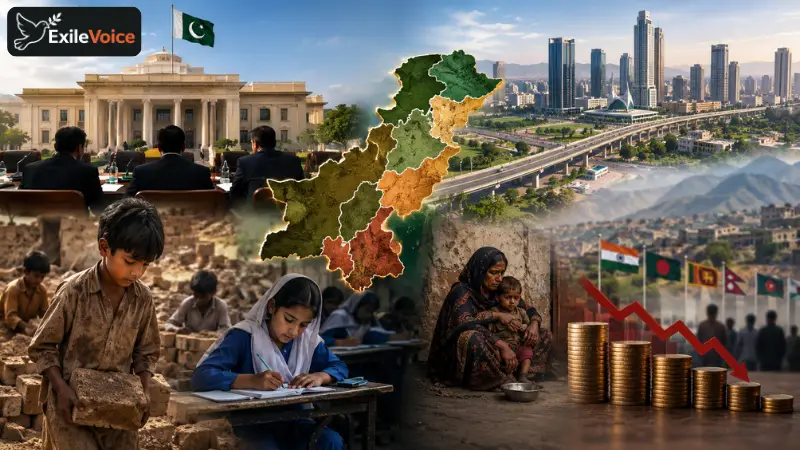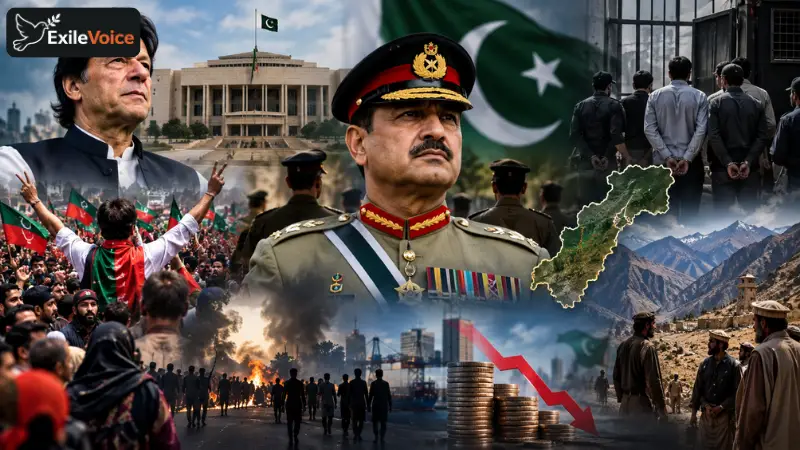
Pakistan is currently facing a dual crisis: a failing energy sector and a demoralized agricultural base. Despite claims of "ending darkness" by the ruling Pakistan Muslim League-Nawaz (PML-N), the reality on the ground is one of persistent and debilitating load shedding. Minister for Power Awais Leghari recently claimed that power outages are a temporary byproduct of the Iran conflict and gas shortages. However, data suggests a much deeper systemic failure.
Pakistan possesses an installed capacity of approximately 47,000 MW, while the peak demand rarely exceeds 30,000 MW. Despite this surplus capacity, the government is only generating about 15,000 MW, leading to widespread outages. The excuse of a 2,500 MW gas shortage does not explain why the remaining 40,000+ MW of capacity is not being utilized. The underlying issue is the staggering "capacity payments", estimated at over 2 trillion PKR, which the government must pay to private power plants regardless of whether they produce electricity. These contracts, often criticized as being lopsided and exploitative, have left the common citizen paying record-high tariffs for electricity they rarely receive.
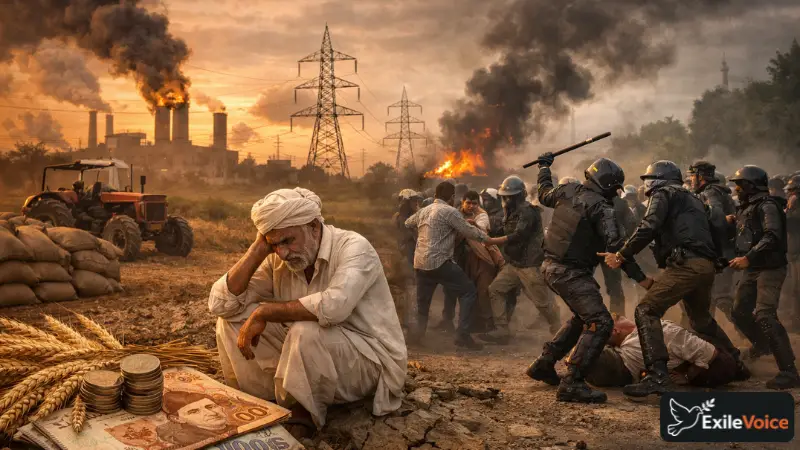
The governance crisis extends to the fields of Punjab, where farmers are protesting the plummeting price of wheat. While the government-set support price is 5,000 PKR per maund, farmers are being forced to sell as low as 2,800 PKR. A burgeoning scandal involving eleven private companies allegedly receiving government funds, free storage, and profit guarantees has further incensed the agricultural community. When these farmers attempt to protest, they are met with state "brutality," a term used by veteran journalists to describe the heavy-handed police tactics currently employed against civilians.
From the demolition of over 200 homes in Islamabad under the Anti-Terrorism Act to the manhandling of elderly street vendors by police, the social contract in Pakistan appears to be fracturing. The disconnect between the ruling elite, who are receiving civil awards like the Hilal-e-Imtiaz, and the struggling masses has reached a boiling point. Without a pivot toward transparency and genuine economic reform, the current path leads toward further social unrest and economic stagnation.