

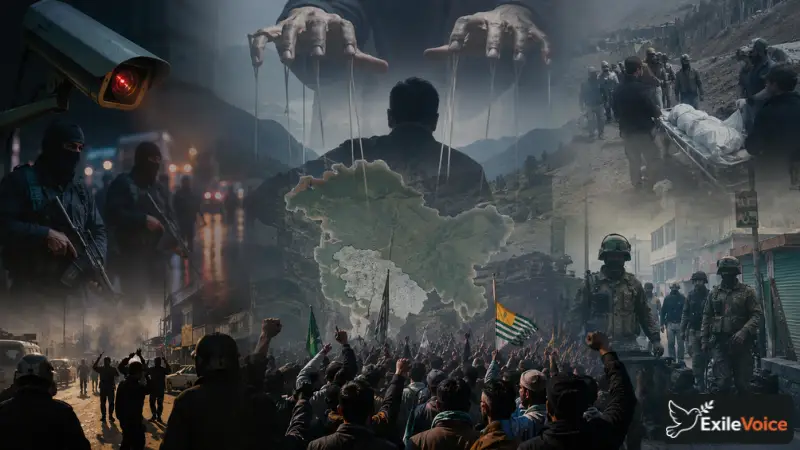
Recent developments in Azad Kashmir have sparked significant concern regarding the potential for manufactured instability. Reports surfacing from the region suggest that a carefully orchestrated narrative is being constructed, drawing parallels to the events of May 9, aimed at suppressing dissent and discrediting public movements.
Critical observers have pointed to CCTV footage circulating online that depicts individuals, faces covered and armed with sophisticated weaponry, acting in a manner reminiscent of non-state actors. Analysts argue that this visual narrative, coupled with reports of clashes and casualties, mirrors tactics previously employed to target political opposition. The core concern is that this "scripted" unrest serves as a pretext for a broader, more severe operation against the local population, particularly amidst ongoing long-march protests.
Local activists and the Public Action Committee have vehemently denied these characterizations, asserting that their movement is peaceful and unarmed. Furthermore, alarming claims have emerged, though unverified, suggesting that the bodies of security personnel killed in other regions, such as Balochistan, are being transported to Kashmir to be presented as victims of the local action committees. While these claims remain allegations, the current climate of deep mistrust and the history of state-led narratives in Pakistan necessitate close scrutiny.
The situation is further complicated by the reported heavy-handed response from authorities, including threats directed at participants of protests, such as the invalidation of official registration documents (B-forms) for minors involved in demonstrations. This approach, critics argue, only serves to deepen the divide between the state and the populace, potentially radicalizing a generation by unnecessarily targeting citizens exercising their right to protest. The consistency of these tactical maneuvers, ranging from questionable video productions to the deployment of security forces in civilian attire, suggests a recurring pattern in the management of regional dissent.

